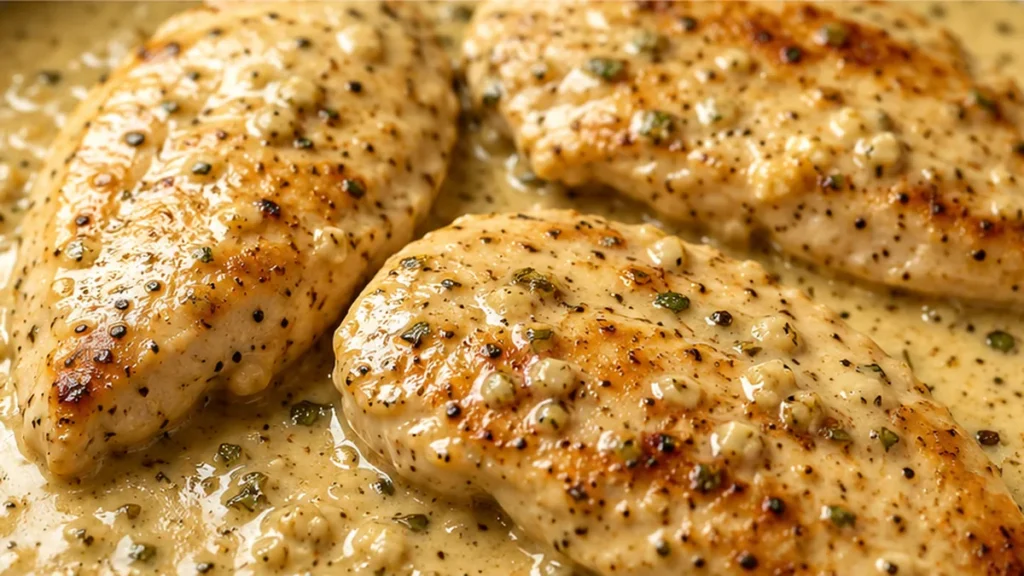
The secret to truly delicious Dijon chicken lies in creating a rich, flavorful sauce that perfectly complements the tender meat. This recipe focuses on building layers of flavor, starting with aromatics and ending with a luxurious cream sauce that coats every bite. It’s designed for busy home cooks seeking a satisfying meal without the fuss. This creamy Dijon chicken is more than just a meal; it’s an experience. It proves that elegant, restaurant-quality dishes can be made right in your own kitchen with minimal effort and common ingredients. Get ready to impress yourself and your family.
Key takeaways
- Proper seasoning enhances flavor.
- Create a smooth emulsion for the sauce.
- Control heat to cook chicken perfectly.
- Use a meat thermometer to avoid overcooking.
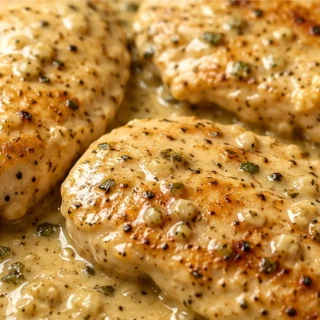
Creamy Dijon Chicken Recipe
Ingredients
- 1 tsp Italian seasoning
- 1/2 tsp garlic powder
- 1/2 tsp onion powder
- 1/2 tsp salt
- 1/2 tsp freshly cracked black pepper
- 2 boneless, skinless chicken breasts
- 2 tbsp olive oil
- 2 tbsp butter
- 2 cloves garlic, minced
- 1 cup chicken broth
- 1/2 cup Dijon mustard
Instructions
- In a small bowl, mix Italian seasoning, garlic powder, onion powder, salt, and black pepper.
- Carefully fillet each chicken breast into two thinner cutlets. Season both sides of each cutlet with the spice mix.
- Heat a large skillet over medium heat and add olive oil. Add chicken and cook for 4 minutes per side until golden brown and cooked through. Remove chicken to a plate and cover.
- Add butter and minced garlic to the same skillet. Turn heat to medium-low and sauté garlic for 1 minute until fragrant.
- Pour in chicken broth, Dijon mustard, and Worcestershire sauce. Stir, scraping up any brown bits from the bottom.
- Add heavy cream and Parmesan cheese. Stir well and simmer for 5 minutes. Taste and adjust salt and pepper if needed.
- Stir in fresh spinach until wilted.
- Return chicken to the skillet, spoon sauce over it, and heat through. Serve hot.
Video
Notes
The Importance of Seasoning the Chicken
Proper seasoning is crucial for enhancing the flavor of dijon chicken. The combination of Italian seasoning, garlic powder, onion powder, salt, and freshly cracked black pepper creates a well-rounded base flavor. Season the chicken breasts evenly, allowing the spices to penetrate the meat. This step is essential for achieving a flavorful dish, as unseasoned chicken can taste bland and uninviting.
Creating a Flavorful Sauce
The creamy sauce is the heart of this dijon chicken recipe. The emulsion of butter, minced garlic, chicken broth, and Dijon mustard creates a rich and tangy sauce that clings beautifully to the chicken. To achieve the perfect emulsion, start by melting the butter over medium heat, then add the garlic and sauté until fragrant. Gradually whisk in the chicken broth and Dijon mustard, ensuring a smooth consistency. This method allows the flavors to meld beautifully, enhancing the overall dish.
Controlling Heat for Perfectly Cooked Chicken
Heat control is vital when cooking chicken breasts. Cooking them over medium heat ensures even cooking without drying them out. Aim for an internal temperature of 165°F (74°C) for safe consumption. Cooking time will vary based on the thickness of the chicken breasts, typically around 6-7 minutes per side. Using a meat thermometer can help you avoid undercooking or overcooking the chicken, ensuring it remains juicy and tender.
Common Issues and Their Solutions
- Issue: Chicken is dry and overcooked.
- Solution: Use a meat thermometer to check for an internal temperature of 165°F (74°C) and avoid cooking beyond this point.
- Issue: Sauce is too thin.
- Solution: Simmer the sauce longer to reduce it and thicken or add a cornstarch slurry for quick thickening.
- Issue: Sauce lacks depth of flavor.
- Solution: Adjust the seasoning by adding more Dijon mustard or a splash of white wine for acidity.
- Issue: Chicken is bland.
- Solution: Ensure the chicken is seasoned properly before cooking, and consider marinating it for at least 30 minutes.
Ingredient Substitutions and Their Effects
- Olive oil: Can be replaced with avocado oil. This will provide a similar flavor but with a higher smoke point.
- Butter: Substitute with ghee for a dairy-free option, which will give a slightly nuttier flavor.
- Chicken broth: Vegetable broth can be used for a vegetarian option, but the flavor will be less rich.
- Dijon mustard: Spicy brown mustard can be used instead, resulting in a spicier sauce.
Uniqueness of Dijon Chicken
This dish stands out due to the use of Dijon mustard, which not only adds a distinct tangy flavor but also acts as a natural emulsifier in the sauce. Unlike many creamy sauces that rely solely on heavy cream, the mustard provides both creaminess and a sharpness that elevates the entire dish. This characteristic makes dijon chicken a unique choice for those seeking a flavorful yet simple meal.
How to Prepare Chicken for Optimal Flavor Absorption
For the best flavor in your dijon chicken, it’s crucial to prepare the chicken breasts properly. Start by patting the chicken dry with paper towels to remove excess moisture, which can hinder browning. Next, lightly score the surface of the chicken in a crosshatch pattern; this increases the surface area for seasoning absorption and helps the Dijon mustard penetrate better. Marinating the chicken in a mixture of Dijon mustard and the Italian seasoning for at least 30 minutes (or up to 4 hours) will further enhance the flavor. Remember, the longer the chicken marinates, the more pronounced the Dijon flavor will be.
Understanding the Role of Chicken Broth in Sauce Consistency
The chicken broth is essential for creating a creamy and flavorful sauce in this dijon chicken recipe. When using broth, consider its sodium content; low-sodium broth allows for better control over the final seasoning. As the sauce simmers, the broth reduces and concentrates its flavors. If you desire a thicker sauce, let it simmer longer, allowing some of the liquid to evaporate. Alternatively, you can whisk in a cornstarch slurry (1 tablespoon cornstarch mixed with 1 tablespoon water) towards the end of cooking for a quick thickening solution without altering the flavor profile.
Scaling the Recipe for Different Serving Sizes
This dijon chicken recipe can easily be scaled to accommodate different serving sizes. For a larger batch, simply multiply the ingredient quantities by the number of servings needed. However, be cautious with the cooking time; larger quantities may require additional cooking time to ensure even doneness. Use a meat thermometer to check that the internal temperature reaches 165°F (74°C). Conversely, if halving the recipe, be mindful that the cooking time may reduce slightly, so monitor the chicken closely to avoid overcooking.
Seasonal Ingredient Quality and Its Impact on Flavor
The quality of your ingredients, especially the Dijon mustard and chicken, can significantly affect the final dish. In spring and summer, opt for fresh, high-quality chicken from local sources when possible. The flavor of the chicken can be enhanced by using organic or free-range options. Additionally, during these seasons, consider using homemade or artisanal Dijon mustard, which can offer a more complex flavor profile compared to mass-produced varieties. In contrast, during winter months, when fresh herbs may be less vibrant, consider adding a touch of fresh thyme or rosemary to the sauce to brighten the dish.
How to Make Creamy Dijon Chicken Ahead of Time
Preparing this creamy Dijon chicken in advance can save you time on busy weeknights. Start by seasoning and searing the chicken breasts as instructed, then let them cool before transferring them to an airtight container. Store in the refrigerator for up to 2 days. When ready to serve, gently reheat the chicken in a skillet over low heat with the sauce, ensuring it reaches an internal temperature of 165°F (74°C) for safe consumption. This method allows the flavors to meld further, enhancing the dish.
Adjusting Serving Sizes for Gatherings
This recipe can easily be scaled to accommodate larger gatherings. For every additional chicken breast, increase the other ingredients proportionally. For example, if adding two more chicken breasts, double the Dijon mustard, chicken broth, and butter. Keep in mind that the cooking time may vary slightly depending on the thickness of the chicken. Ensure the internal temperature remains at 165°F (74°C) for safety. A larger batch may require a wider skillet to ensure even cooking and sauce distribution.
Choosing the Right Equipment for Perfect Results
The choice of cookware can significantly affect the outcome of your creamy Dijon chicken. A heavy-bottomed skillet or sauté pan is ideal, as it distributes heat evenly, preventing hot spots that can lead to uneven cooking. Non-stick pans are also advantageous, as they reduce the risk of the chicken sticking and help in easy sauce release. If using stainless steel, preheat the pan properly and use sufficient oil to create a barrier between the chicken and the pan surface. This ensures a perfect sear and enhances the flavor through the Maillard reaction.
Storing Leftover Creamy Dijon Chicken for Optimal Freshness
After enjoying your creamy Dijon chicken, proper storage is key to maintaining its flavor and texture. Allow the chicken to cool to room temperature before transferring it to an airtight container. It can be stored in the refrigerator for up to 3-4 days. For longer storage, consider freezing the dish. Place the chicken in a freezer-safe container, ensuring it’s well-sealed to prevent freezer burn. When ready to enjoy, thaw it in the refrigerator overnight before reheating. Note that the sauce may separate slightly upon thawing; gently reheat it in a saucepan over low heat, stirring to recombine.
Scaling the Recipe for Larger Gatherings Without Sacrificing Flavor
When scaling the creamy Dijon chicken recipe for larger gatherings, it’s essential to adjust the ingredient quantities while maintaining the balance of flavors. For every additional two chicken breasts, increase the Dijon mustard by 1/4 cup, the chicken broth by 1/2 cup, and add an extra tablespoon of olive oil and butter to ensure the sauce remains rich and creamy. Be mindful of cooking times; larger batches may require more time to cook through. Use a meat thermometer to ensure the internal temperature reaches 165°F (74°C). Additionally, consider cooking in batches if your pan is not large enough to avoid overcrowding, which can lead to uneven cooking and a loss of the desired sear.
Pro tips
- Use good quality Dijon mustard for the best flavor.
- Don’t overcrowd the pan when searing chicken; cook in batches if necessary.
- Fresh spinach wilts quickly; add it right at the end.
- For a thinner sauce, add a splash more chicken broth. For a thicker sauce, let it simmer a minute longer.
Enjoy this simple yet decadent creamy Dijon chicken. It pairs wonderfully with pasta, rice, or your favorite roasted vegetables.
Frequently asked questions
Can I use bone-in chicken for this recipe?
Yes, you can use bone-in chicken, but cooking times will vary. Ensure the chicken reaches an internal temperature of 165°F (74°C) before serving.
What can I serve with dijon chicken?
Dijon chicken pairs well with rice, mashed potatoes, or steamed vegetables, providing a balanced meal with complementary flavors.
How can I make the sauce spicier?
To add heat, consider incorporating a pinch of cayenne pepper or a dash of hot sauce into the sauce while cooking.
Can I make this dish ahead of time?
Yes, you can prepare the chicken and sauce in advance. Store them separately in airtight containers in the refrigerator for up to 3 days. Reheat gently before serving.
More from High-Protein Dinners →