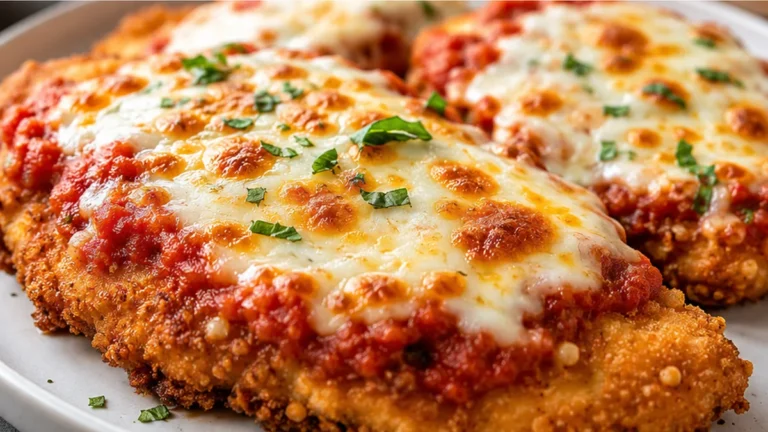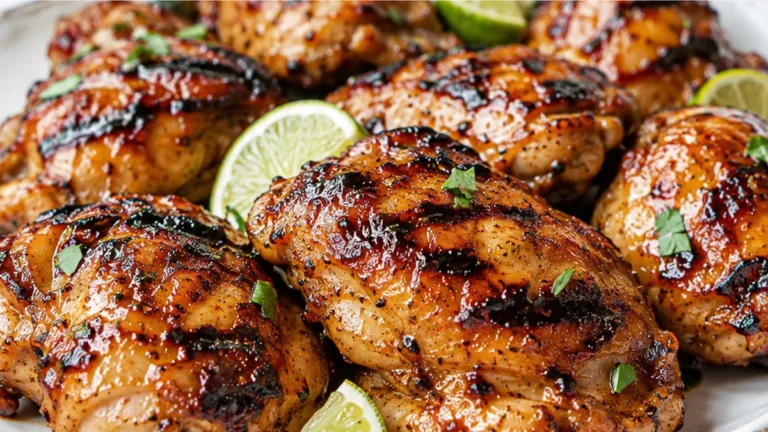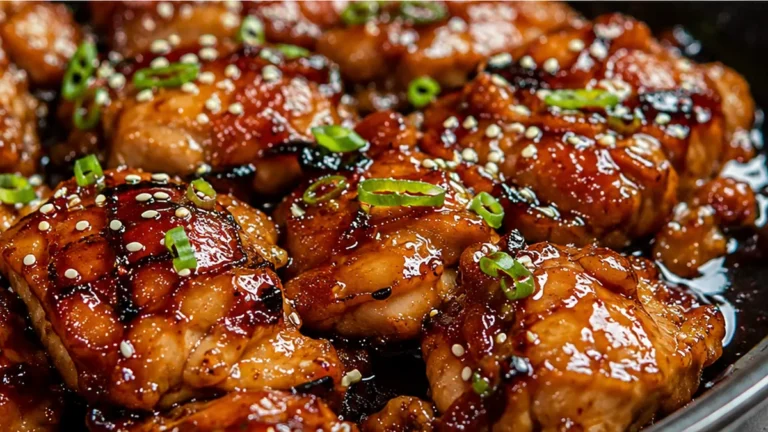
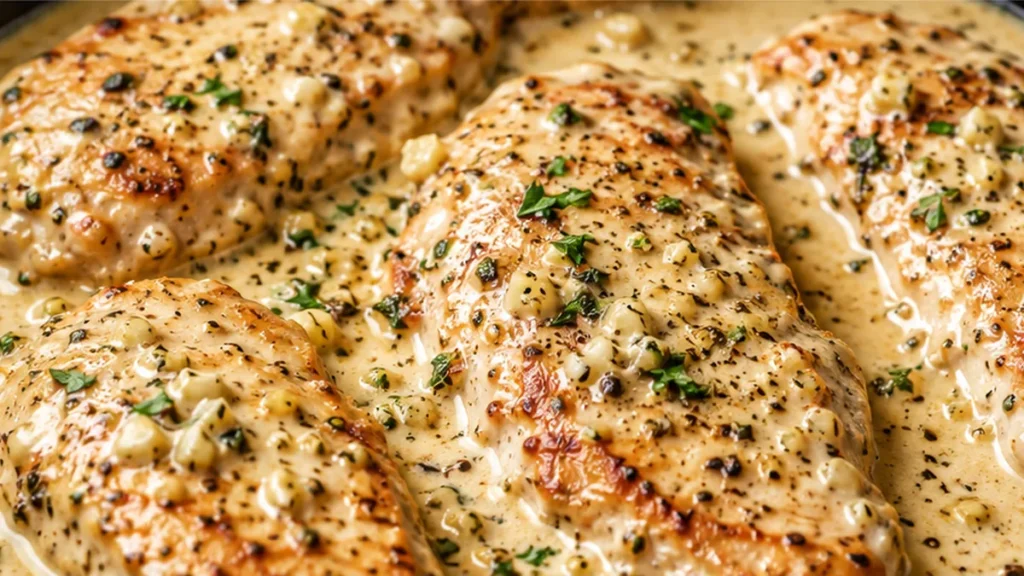
The secret to a truly decadent garlic chicken lies in two simple techniques: perfectly seared chicken and a luscious, slow-simmered roasted garlic cream sauce. This recipe delivers restaurant-quality flavor with surprisingly minimal effort, making it ideal for busy weeknights or when you want to impress without the fuss. Forget bland chicken dishes; this garlic chicken is packed with rich, savory notes thanks to deeply roasted garlic and a velvety cream sauce that clings beautifully to every bite. It’s a comforting and satisfying main course that proves simple ingredients can create extraordinary meals.
Key takeaways
- Proper seasoning is essential for flavor enhancement.
- Coating chicken in flour promotes browning and moisture retention.
- Control heat to ensure a juicy interior and golden exterior.
- Garlic and cream create a rich, flavorful sauce that elevates the dish.
The Decadent Garlic Chicken Recipe
Ingredients
- 2 boneless, skinless chicken breasts (about 1.3 lbs/600g total)
- 1/2 tsp Italian seasoning
- 1/2 tsp salt
- 1/4 tsp freshly cracked black pepper
- 1/4 cup all-purpose flour
- 2 tbsp olive oil
- 2 tbsp butter, divided
- 1 whole garlic bulb (about 8-9 garlic cloves)
- 1 cup chicken broth
- 3/4 cup heavy cream
Instructions
- Fillet each chicken breast into two thinner cutlets.
- Season chicken with Italian seasoning, salt, and pepper. Coat evenly with flour.
- Heat olive oil and 1 Tbsp butter in a skillet over medium heat. Sear chicken until golden brown and cooked through (approx. 4 mins per side). Remove chicken and keep warm.
- While chicken cooks, peel garlic cloves and smash them with the side of a knife.
- Add remaining 1 Tbsp butter to the skillet over medium-low heat. Sauté garlic for 3 minutes until fragrant, stirring often to prevent burning.
- Pour in chicken broth and heavy cream. Stir to scrape up browned bits. Simmer for 8-10 minutes until sauce reduces and thickens.
- Return chicken to the skillet. Spoon sauce over chicken and heat through. Serve immediately.
Video
Notes
The Importance of Properly Seasoning Chicken
Seasoning is crucial for enhancing the flavor of garlic chicken. Before cooking, season the chicken breasts with 1/2 tsp of Italian seasoning, 1/2 tsp of salt, and 1/4 tsp of freshly cracked black pepper. This step helps to create a flavor base that penetrates the meat, ensuring a well-rounded taste throughout. The salt also aids in moisture retention during cooking.
Why Flour Coating Matters for Texture
Coating the chicken breasts in 1/4 cup of all-purpose flour before cooking creates a barrier that helps retain moisture and promotes browning through the Maillard reaction. This reaction occurs at temperatures above 300°F (150°C) and is essential for developing a rich, golden crust. Make sure to shake off excess flour to avoid a gummy texture.
Controlling Heat for Perfect Cooking
Heat control is vital when cooking garlic chicken. Start by heating 2 Tbsp of olive oil and 1 Tbsp of butter in a skillet over medium-high heat. Once the oil shimmers, add the chicken. Cook for about 6-7 minutes per side, or until the internal temperature reaches 165°F (74°C). This method ensures a golden exterior while keeping the chicken juicy and tender. If the heat is too high, the outside may burn before the inside cooks through.
The Role of Garlic and Cream in Flavor Development
Using a whole garlic bulb (about 8-9 cloves) adds depth to the dish. Roasting the garlic in the same pan after removing the chicken allows it to caramelize, enhancing its sweetness. Afterward, deglaze the pan with 1 cup of chicken broth, scraping up any browned bits. Finally, incorporating 3/4 cup of heavy cream creates a rich sauce that complements the garlic and chicken perfectly, resulting in a luxurious mouthfeel.
Common Issues and Their Solutions
- Issue: Chicken is dry.
- Cause: Overcooking.
- Fix: Use a meat thermometer to ensure it reaches 165°F (74°C).
- Issue: Sauce is too thin.
- Cause: Not enough reduction.
- Fix: Simmer the sauce longer to thicken and concentrate flavors.
- Issue: Garlic flavor is too strong.
- Cause: Over-roasting garlic.
- Fix: Roast garlic until golden brown, not burnt.
- Issue: Flour coating is gummy.
- Cause: Excess flour.
- Fix: Shake off excess flour before cooking.
How to Make Garlic Chicken Ahead of Time
This garlic chicken recipe can be prepared ahead of time for convenience. To do this, season and flour the chicken breasts, then sear them in olive oil and butter until golden brown, about 4-5 minutes per side. After searing, let them cool completely before transferring to an airtight container. This prepped chicken can be stored in the refrigerator for up to 24 hours. When ready to serve, simply reheat in a skillet over medium heat, add the garlic and broth mixture, and finish with the heavy cream for a quick meal.
Adjusting Portion Sizes for Garlic Chicken
Scaling this garlic chicken recipe is straightforward. The key is to maintain the ratios of ingredients. For instance, if you want to double the recipe, use 4 chicken breasts, 1 cup of chicken broth, and 1.5 cups of heavy cream. Ensure you have a large enough skillet to accommodate the increased quantity. Cooking time may vary slightly, so monitor the internal temperature of the chicken, which should reach 165°F (74°C) for safety. This ensures that even when scaled, the dish remains juicy and flavorful.
Choosing the Right Equipment for Garlic Chicken
The equipment you use can significantly impact the outcome of your garlic chicken. A heavy-bottomed skillet or sauté pan is ideal for even heat distribution. Non-stick pans can help prevent the chicken from sticking but may not achieve the same browning as stainless steel or cast iron. Additionally, a meat thermometer is essential for checking doneness. If you have a lid for your skillet, using it can help retain moisture during cooking, especially when adding the broth and cream.
Seasonal Ingredient Variations for Garlic Chicken
Seasonal ingredients can elevate your garlic chicken dish. In spring, consider adding fresh herbs like basil or parsley for a vibrant touch. In fall, incorporating roasted vegetables such as squash or Brussels sprouts can complement the dish’s richness. The quality of garlic also varies by season; fresh, locally sourced garlic can provide a more robust flavor compared to older bulbs. Adjusting your ingredients based on the season not only enhances flavor but also supports local produce.
How to Store Leftover Garlic Chicken for Optimal Freshness
Proper storage of garlic chicken is essential to maintain its flavor and texture. Once cooked, allow the chicken to cool to room temperature before transferring it to an airtight container. Store it in the refrigerator for up to 3-4 days. For longer storage, consider freezing the chicken. Wrap it tightly in plastic wrap or aluminum foil and place it in a freezer-safe bag. Frozen garlic chicken can last for up to 3 months. When reheating, do so gently to avoid drying out the chicken; aim for an internal temperature of 165°F (74°C).
Scaling the Recipe: Adjusting Ingredients for Larger Batches
Scaling the garlic chicken recipe is straightforward, but attention to ingredient ratios is crucial. For each additional chicken breast (approximately 6-8 ounces), increase the flour, butter, and garlic proportionately. Maintain the same ratio of chicken broth to heavy cream for a balanced sauce. If cooking more than four chicken breasts, consider using a larger skillet or cooking in batches to ensure even cooking without overcrowding, which can lead to steaming instead of searing.
Choosing the Right Garlic for Maximum Flavor
The type of garlic you use can significantly impact the flavor profile of your garlic chicken. Fresh, firm garlic bulbs will yield the best results. Avoid garlic that appears sprouted or shriveled, as it can be bitter. For a milder flavor, roast the garlic cloves in the oven before adding them to the sauce. This process caramelizes the sugars, resulting in a sweeter, more complex flavor. Fresh garlic provides a pungent kick, while roasted garlic offers a deep, rich taste, allowing you to customize the dish to your preference.
Why the sauce can curdle and how to prevent it
When making the creamy sauce for garlic chicken, curdling can occur if the heavy cream is added to a hot pan too quickly or if the chicken broth is too hot. To prevent this, always reduce the heat to medium-low before adding the cream, allowing it to gradually warm up. Additionally, ensure the chicken broth is at a simmer rather than a rolling boil when mixing in the cream. This gentle approach helps maintain a smooth emulsion, preventing separation and ensuring a rich, velvety sauce.
How to adjust for different serving sizes without compromising flavor
Scaling the garlic chicken recipe is straightforward, but attention to detail is crucial. For every additional chicken breast, increase the garlic cloves by one and add 1/4 cup of chicken broth and 1/4 cup of heavy cream. Maintaining the ratio of flour to chicken is also key; for every two chicken breasts, use 1/4 cup of flour. This ensures the coating stays consistent, providing the same texture and flavor profile. Remember, cooking time may slightly increase depending on the size of the chicken pieces, so always check for doneness with a meat thermometer, aiming for 165°F (74°C).
How to Scale the Garlic Chicken Recipe Without Losing Flavor
When scaling the garlic chicken recipe, it’s crucial to maintain the balance of flavors and textures. Increasing the quantity of chicken requires proportional adjustments in seasoning and sauce. For every additional pound of chicken, increase the garlic cloves by 2-3 and the chicken broth by 1/2 cup. However, be cautious with the heavy cream; for every additional pound, add only 1/4 cup to avoid overwhelming the dish’s richness. Keep in mind that cooking time may also vary; larger batches may need a few extra minutes in the pan to ensure the chicken is cooked through, reaching an internal temperature of 165°F (74°C).
Understanding the Importance of Resting Time for Garlic Chicken
Resting chicken after cooking is essential for achieving tender and juicy results. When chicken breasts are cooked, the muscle fibers contract, causing juices to be pushed to the center. Allowing the chicken to rest for about 5-10 minutes after cooking helps redistribute these juices throughout the meat, resulting in a more flavorful dish. Cover the chicken loosely with foil during this time to retain warmth. This technique is particularly vital for garlic chicken because the creamy garlic sauce can further enhance the flavor profile when served over well-rested chicken.
Pro tips
- Roast the garlic gently until fragrant to avoid bitterness.
- Reserve about 1/4 cup of the sauce before adding chicken back to thin if needed.
- For extra flavor, garnish with fresh chopped parsley or chives.
Give this creamy garlic chicken a try for a truly memorable meal. Serve it with pasta, rice, or a side salad for a complete dinner.
Frequently asked questions
How can I tell when the chicken is fully cooked?
The chicken is fully cooked when it reaches an internal temperature of 165°F (74°C). Using a meat thermometer is the most accurate way to check for doneness.
Can I use chicken thighs instead of breasts?
Yes, chicken thighs can be used instead of breasts. They will provide a richer flavor and remain moist, but adjust cooking time as they may take longer to cook through.
What can I serve with garlic chicken?
Garlic chicken pairs well with a variety of sides, including steamed vegetables, mashed potatoes, or a simple green salad. The creamy sauce also complements pasta beautifully.
How do I store leftovers?
Store leftovers in an airtight container in the refrigerator for up to 3 days. Reheat gently on the stove or in the microwave, adding a splash of chicken broth if needed to maintain moisture.
More from High-Protein Dinners →