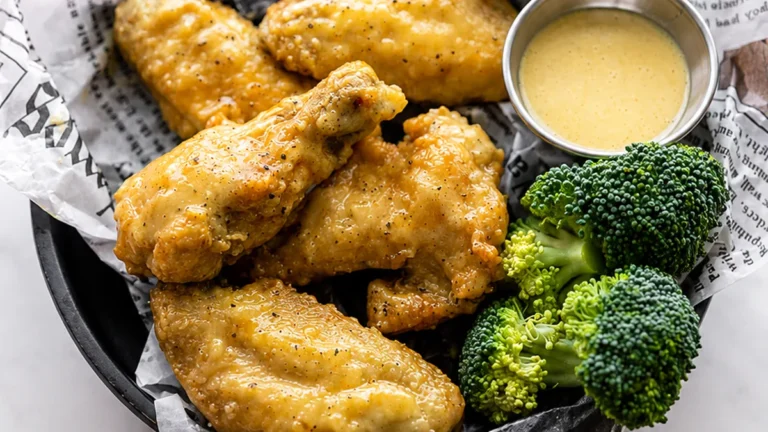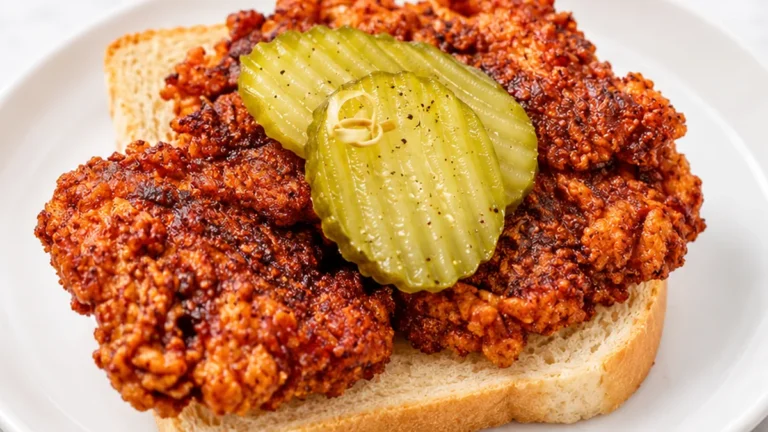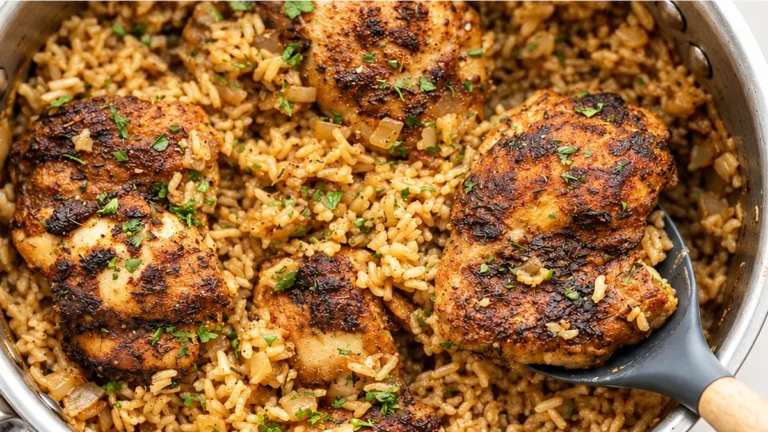
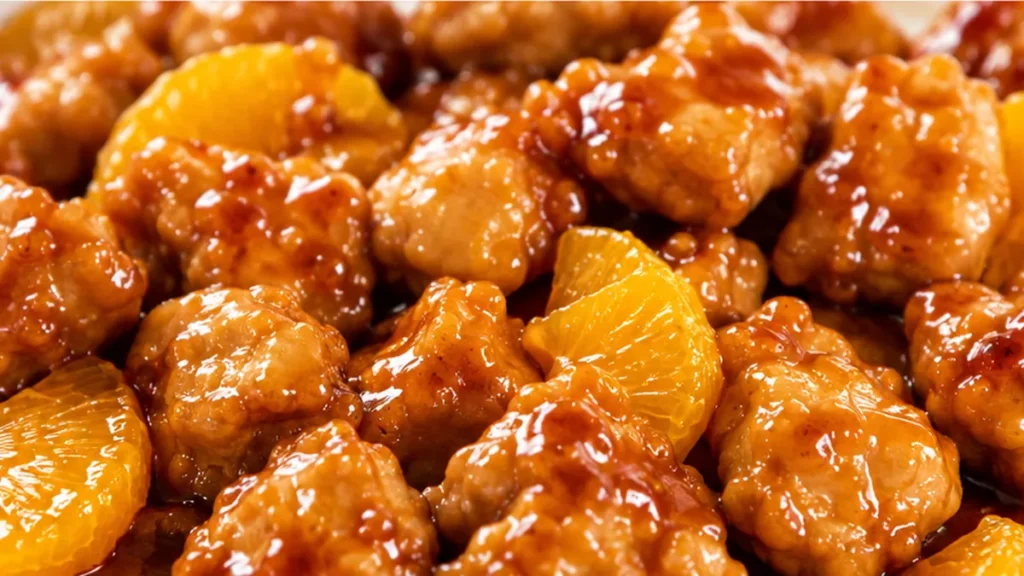
This easy orange chicken recipe is your new weeknight dinner, delivering that irresistible takeout flavor without the wait or the delivery fee. Forget complicated steps; we focus on getting that perfect balance of sweet, tangy, and savory with crispy chicken. It’s designed for busy home cooks who crave deliciousness fast. The secret to amazing orange chicken lies in a well-balanced sauce and properly searing the chicken to achieve that signature sticky glaze. This recipe simplifies the process without compromising on taste, making restaurant-quality orange chicken achievable in your own kitchen.
Key takeaways
- Use fresh orange zest for maximum flavor impact.
- Balance sweetness and acidity for a well-rounded sauce.
- Choose chicken thighs for juiciness and flavor retention.
- Cornstarch is essential for a crisp coating on the chicken.
Sweet & Tangy Orange Chicken
Ingredients
- 1 large orange (about 1 tsp zest and 1/2 cup juice)
- 3 tbsp soy sauce
- 1 ½ Tbsp brown sugar
- ½ tbsp rice vinegar
- 1 tsp fresh ginger (grated)
- 1 garlic clove (minced)
- ¼ tsp crushed red pepper flakes
- ½ tbsp corn starch
- 4 chicken thighs (boneless, skinless, about 1.3 lbs)
- 1 large egg
Instructions
- Make the sauce: Zest the orange and squeeze to get 1/2 cup juice. Whisk together orange juice, zest, soy sauce, brown sugar, rice vinegar, grated ginger, minced garlic, red pepper flakes, and 1/2 Tbsp corn starch until fully dissolved.
- Cut the chicken: Trim excess fat from chicken thighs and cut into 3/4-inch pieces.
- Coat the chicken: In a mixing bowl, whisk together the egg, 2 Tbsp corn starch, and a pinch of salt and pepper until smooth. Add chicken pieces and stir to coat completely.
- Brown the chicken: Heat a large skillet over medium-high heat with 2 Tbsp cooking oil. Add chicken in a single layer and cook until golden brown on the bottom, about 5-7 minutes.
- Flip and cook: Flip the chicken pieces and cook for another 2-3 minutes until cooked through and golden brown.
- Add sauce: Pour the prepared orange sauce over the cooked chicken in the skillet. Stir continuously as the sauce simmers and thickens for about 1-2 minutes.
- Serve: Remove from heat and serve immediately over steamed rice, garnished with extra orange zest or sesame seeds if desired.
Video
Notes
The Importance of Orange Zest in Flavor Development
Orange zest is crucial for adding a vibrant citrus note to the dish. The essential oils in the zest provide aromatic compounds that enhance the overall flavor profile. For optimal results, use a microplane to finely grate the zest, ensuring you only capture the outer layer of the peel, which contains the most flavor. This technique releases around 0.5 grams of zest, which can significantly elevate the dish’s taste.
Achieving the Perfect Glaze: Balancing Sweetness and Acidity
The balance of sweet and tangy in the sauce is essential for a successful orange chicken. The combination of brown sugar and rice vinegar creates a nuanced flavor. Aim for a ratio of 3:1 for sweetness to acidity. If the sauce is too sweet, add more vinegar in small increments (1 tsp at a time) until the desired balance is achieved. Cooking the sauce until it thickens (about 5-7 minutes) allows the flavors to meld and intensify.
Why Chicken Thighs Are Ideal for Texture and Flavor
Using boneless, skinless chicken thighs instead of breasts is key for a juicier, more flavorful dish. Thighs contain more fat, which helps retain moisture during cooking. Cooking at a temperature of 375°F (190°C) for about 20-25 minutes ensures the chicken remains tender while achieving a nice sear. For the best results, marinate the chicken in the orange sauce for at least 30 minutes prior to cooking to infuse flavor.
Understanding the Role of Cornstarch in the Coating
Cornstarch is used to create a crisp coating on the chicken. When mixed with the egg, it forms a batter that adheres well to the chicken. The key is to use a 1:2 ratio of cornstarch to egg to achieve the right consistency. If the coating is too thick, it can become gummy; if too thin, it may not adhere properly. Allow the coated chicken to rest for 10 minutes before frying to enhance adhesion.
How to Avoid Common Mistakes in Cooking Orange Chicken
- Problem: Sauce is too thin.
- Fix: Increase the cooking time to allow for more evaporation or add an additional teaspoon of cornstarch mixed with water to thicken.
- Problem: Chicken is dry.
- Fix: Ensure the chicken is not overcooked; use a meat thermometer to check for an internal temperature of 165°F (74°C).
- Problem: Coating falls off during frying.
- Fix: Ensure the chicken is patted dry before coating and allow it to rest after coating for better adhesion.
- Problem: Flavor is unbalanced.
- Fix: Adjust the sweetness or acidity by adding more sugar or vinegar gradually until balanced.
How to Prepare Orange Chicken in Advance
Making orange chicken ahead of time can save you valuable cooking time during busy weekdays. To do this, follow these steps: prepare the orange sauce by combining the orange juice, zest, soy sauce, brown sugar, rice vinegar, ginger, garlic, and red pepper flakes in a bowl. Store this mixture in an airtight container in the refrigerator for up to 3 days. You can also marinate the chicken thighs in the sauce for 1-2 hours before cooking, which intensifies the flavor. When ready to cook, simply coat the chicken in cornstarch, dip it in the egg, and fry as directed. This method not only enhances the flavor but also streamlines the cooking process.
Adjusting Portion Sizes for Different Needs
Scaling your orange chicken recipe to accommodate more or fewer servings is straightforward. The key is to maintain the same ratios of ingredients. For example, if you want to double the recipe, use 2 large oranges (2 tsp zest and 1 cup juice), 6 Tbsp soy sauce, and adjust the other ingredients accordingly. Remember that cooking time may also increase slightly with larger batches; monitor the chicken closely to ensure it reaches an internal temperature of 165°F (74°C). For smaller portions, simply halve the quantities, but be cautious with the sauce, as reducing it too much may lead to a less flavorful dish.
Choosing the Right Equipment for Optimal Results
The equipment you use can significantly affect the outcome of your orange chicken. A heavy-bottomed skillet or wok is ideal for frying, as it distributes heat evenly and helps achieve that crispy texture. If using a non-stick pan, reduce the amount of oil to prevent sticking without compromising the crispiness. A thermometer is essential for frying chicken to the right temperature, ensuring it is cooked through without being dry. If you prefer a healthier approach, consider using an air fryer, which can yield a similar crispy texture with less oil, but cooking times may vary, so adjust accordingly.
Seasonal Variations and Ingredient Quality Impact
The quality of your ingredients can greatly influence the final flavor of your orange chicken. Fresh, in-season oranges will provide a vibrant taste and aroma that frozen or out-of-season oranges may lack. During peak citrus season, you can experiment with different varieties of oranges, such as blood oranges or cara cara oranges, which can add unique flavor notes. Additionally, consider using organic chicken for a richer taste and better texture. The time of year can also affect the overall dish; in warmer months, you might add fresh herbs like cilantro or basil for a refreshing twist, while in cooler months, consider serving with roasted vegetables for a heartier meal.
Understanding the impact of ingredient quality on flavor
The quality of your ingredients significantly influences the final taste of orange chicken. Fresh, ripe oranges provide vibrant juice and zest, which are essential for achieving the desired sweet and tangy profile. Opt for organic oranges when possible, as they tend to have more intense flavor and fewer pesticides. Similarly, using high-quality soy sauce enhances the umami depth. Look for naturally brewed varieties with a rich color and aroma. When it comes to chicken, fresh, high-quality thighs will yield a juicier and more flavorful result compared to frozen or lower-quality options. Remember, the freshness of your ginger and garlic also plays a crucial role; they should be used as close to their harvest date as possible for maximum potency.
Scaling the recipe for larger gatherings
If you need to prepare orange chicken for a larger group, scaling the recipe can be straightforward, but attention to detail is essential. For every additional pound of chicken, increase the orange juice by about 1/4 cup and the soy sauce by 1 tablespoon. However, ensure that the cooking vessel can accommodate the increased volume without overcrowding, which can lead to uneven cooking. Maintain the same cooking temperature, but be prepared to extend the cooking time by 5-10 minutes, depending on the thickness of the chicken pieces. If you’re doubling the recipe, consider cooking in batches to allow for proper browning and caramelization, which enhances flavor.
Serving suggestions and optimal pairings for orange chicken
Orange chicken is versatile in terms of serving options and pairings. While it is traditionally served over steamed white rice, consider using jasmine or basmati rice for added fragrance. For a healthier twist, serve it over quinoa or cauliflower rice. To complement the sweet and tangy flavors, include a side of stir-fried vegetables such as bell peppers, broccoli, or snap peas, which add color and nutrients. A sprinkle of sesame seeds or chopped green onions can enhance presentation and flavor. For a refreshing contrast, consider serving with a simple cucumber salad dressed in rice vinegar. Additionally, pairing orange chicken with a light, crisp white wine or a citrus-infused iced tea can elevate the dining experience.
How to Store Leftover Orange Chicken for Optimal Freshness
To ensure your orange chicken maintains its flavor and texture, proper storage is essential. Allow the dish to cool to room temperature before transferring it to an airtight container. Refrigerate within two hours of cooking to prevent bacterial growth. Stored correctly, orange chicken can last in the refrigerator for up to three days. For longer storage, consider freezing the dish. Place the cooled chicken in a freezer-safe container, ensuring it is well-sealed to prevent freezer burn. It can be frozen for up to three months. When ready to eat, thaw in the refrigerator overnight and reheat gently on the stove or in the microwave, adding a splash of fresh orange juice to revive the flavors.
Scaling the Recipe for Larger Gatherings Without Compromising Flavor
When scaling your orange chicken recipe for larger gatherings, it’s crucial to maintain the balance of flavors and textures. For each additional batch, keep the ratio of orange juice to soy sauce at approximately 1:6 for optimal sweetness and tanginess. If you’re increasing the recipe to serve eight, use about 2 cups of orange juice and 12 tablespoons of soy sauce. Ensure you adjust the amount of cornstarch accordingly to maintain the desired coating consistency; about 1 tablespoon per batch is a good rule of thumb. Be mindful of cooking in batches, as overcrowding the pan can lead to steaming rather than frying, affecting the crispy texture. Cook in smaller batches to achieve that perfect golden-brown crust.
Pro tips
- Use fresh orange juice for the best flavor.
- Don’t overcrowd the skillet when browning the chicken to ensure crispiness.
- Cook until the sauce thickens to a syrupy consistency.
Enjoy your homemade orange chicken! It’s a crowd-pleaser that’s quick enough for any night of the week.
Frequently asked questions
Can I use chicken breasts instead of thighs?
Yes, but chicken breasts may result in a drier dish due to their lower fat content. If using breasts, be careful not to overcook them, aiming for an internal temperature of 165°F (74°C).
How can I make the sauce spicier?
To increase the heat, you can add more crushed red pepper flakes or incorporate a dash of hot sauce. Start with small amounts and adjust to your taste preference.
Is it necessary to marinate the chicken?
While not strictly necessary, marinating the chicken in the orange sauce for at least 30 minutes enhances the flavor significantly, allowing the chicken to absorb the citrus notes.
Can I prepare the sauce in advance?
Yes, the sauce can be prepared ahead of time and stored in the refrigerator for up to three days. Reheat gently before using it with the chicken to ensure the flavors are revived.
More from High-Protein Dinners →