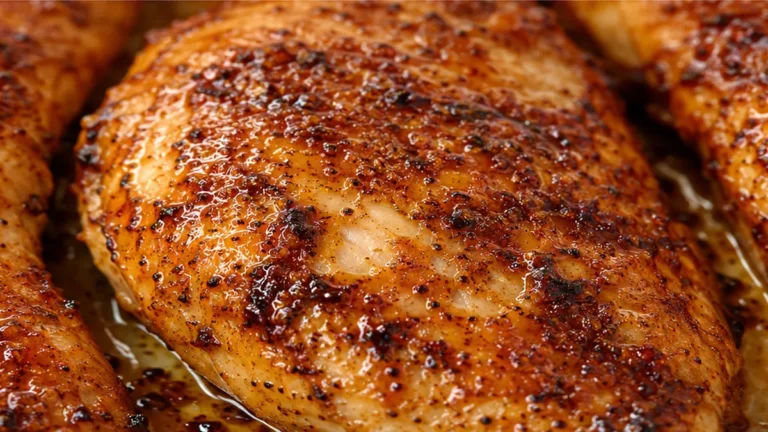
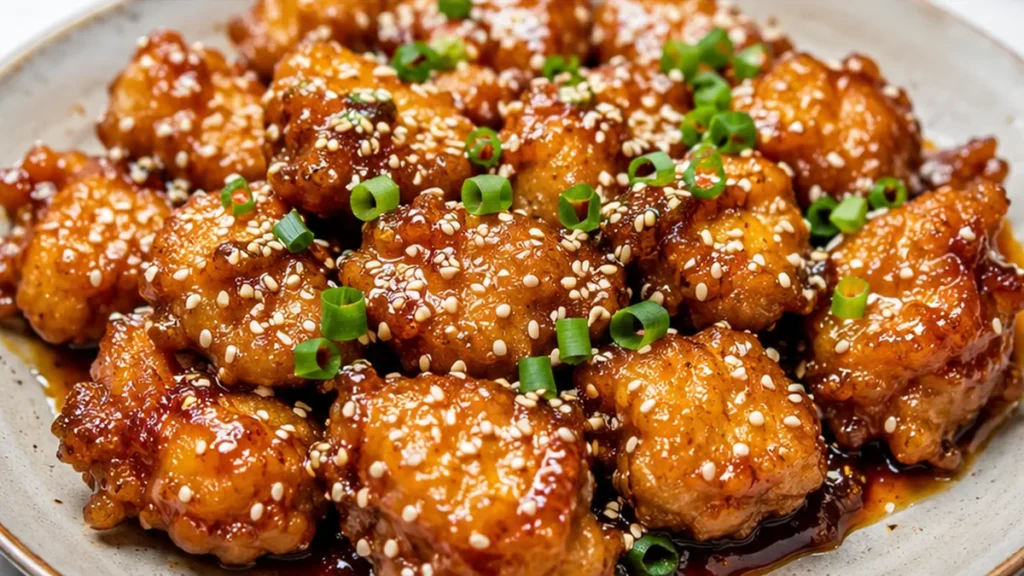
Making authentic-tasting sesame chicken at home can seem daunting, but this recipe simplifies the process without sacrificing flavor or texture. The secret lies in achieving that perfect crispy coating and a glossy, perfectly balanced sauce. This easy sesame chicken recipe is designed for busy weeknights, proving that delicious, restaurant-quality meals are achievable in your own kitchen with minimal fuss.
Key takeaways
- Use cornstarch for a crispy coating that locks in moisture.
- Cook chicken thighs at 375°F for 6-8 minutes per side for tenderness.
- Choose soy sauce based on desired flavor profile—light for saltiness, dark for sweetness.
- Simmer the glaze to enhance flavors through caramelization.
Crispy Sesame Chicken Recipe
Ingredients
- 2 boneless, skinless chicken thighs
- 2 tbsp cornstarch
- 1 pinch salt
- 1 pinch black pepper
- ¼ cup soy sauce
- 1 tbsp toasted sesame oil
- 3 tbsp brown sugar
Instructions
- In a small bowl, whisk together the soy sauce, cornstarch, and brown sugar.
- In a large bowl, whisk together the egg, cornstarch, salt, and pepper. Cut the chicken into small pieces and toss in the mixture.
- Heat cooking oil in a skillet over medium-high heat until hot. Add the chicken in a single layer.
- Cook the chicken until golden brown on one side, then flip and cook until golden brown on the other side.
- Pour the sauce over the chicken and stir until thickened.
- Serve over rice and garnish with green onions if desired.
Video
Notes
Understanding the Importance of Cornstarch in Crispy Sesame Chicken
Cornstarch plays a crucial role in achieving the desired crispiness of sesame chicken. When coated on chicken thighs, it creates a barrier that locks in moisture while allowing the exterior to become crispy when fried. For optimal results, use about 30 grams (2 tablespoons) of cornstarch per 200 grams of chicken. This ratio ensures a perfect balance between crispiness and tenderness.
Addressing Common Issues with Chicken Texture
If your sesame chicken comes out chewy or tough, it may be due to overcooking. Chicken thighs should be cooked at a temperature of 375°F (190°C) for about 6-8 minutes per side. Use a meat thermometer to ensure the internal temperature reaches 165°F (75°C) without exceeding it. Additionally, allowing the chicken to rest for 5 minutes after cooking helps retain moisture.
Choosing the Right Soy Sauce for Flavor
The type of soy sauce you choose can significantly influence the flavor of your sesame chicken. Light soy sauce is ideal for a saltier, more pronounced flavor, while dark soy sauce adds sweetness and color. If you opt for low-sodium soy sauce, you may need to adjust the amount of brown sugar to maintain the desired sweetness balance.
How to Achieve the Perfect Glaze
The glaze of sesame chicken is essential for flavor and presentation. To create a balanced glaze, combine ¼ cup of soy sauce, 1 tablespoon of toasted sesame oil, and 3 tablespoons of brown sugar. Heat this mixture in a saucepan until the sugar dissolves, then simmer for 3-5 minutes to thicken slightly. This process enhances the flavors through caramelization, creating a rich, sticky coating.
Serving Suggestions for Maximum Enjoyment
Serving your crispy sesame chicken with the right accompaniments can elevate the dish. Consider pairing it with steamed jasmine rice or a fresh vegetable stir-fry for a balanced meal. Garnishing with sesame seeds and sliced green onions adds not only visual appeal but also enhances the flavor profile, bringing out the nuttiness of the sesame oil.
How to Store Leftover Sesame Chicken for Optimal Freshness
When storing leftover crispy sesame chicken, allow it to cool to room temperature before transferring it to an airtight container. It can be refrigerated for up to 3 days. To maintain its crispiness, avoid stacking the pieces directly on top of each other. Instead, place a layer of parchment paper between layers if necessary. Reheat in an oven at 375°F (190°C) for about 10-15 minutes, or until the chicken is heated through and crispy again.
Scaling the Recipe: Adjusting for Larger Gatherings
This sesame chicken recipe can easily be scaled up or down. For each additional pound of chicken thighs (approximately 450 grams), increase the cornstarch by 2 tablespoons, soy sauce by ¼ cup, and brown sugar by 1 tablespoon. Keep the sesame oil ratio the same to maintain flavor. Ensure your cooking vessel is large enough to accommodate the increased volume without overcrowding, which can lead to steaming rather than crisping.
Understanding Equipment Differences: Frying vs. Baking
The method of cooking plays a crucial role in the final texture of sesame chicken. Frying in a deep pan or wok creates a crispy exterior due to the high, direct heat, which promotes the Maillard reaction. If baking, preheat your oven to 425°F (220°C) and place the chicken on a wire rack over a baking sheet to allow air circulation. Baking will yield a slightly less crispy texture but is a healthier alternative. Adjust cooking time to approximately 20-25 minutes, flipping halfway through.
How Seasonal Ingredients Impact Flavor and Texture
The quality of chicken and other ingredients can significantly influence the outcome of crispy sesame chicken. In warmer months, opt for fresh, locally sourced chicken thighs, which often have better flavor and texture. Additionally, using freshly harvested sesame seeds can enhance the nutty flavor profile. Conversely, during colder months, frozen or less fresh ingredients may require adjustments in seasoning or cooking time to achieve the desired taste and texture.
Why making sesame chicken in advance can affect texture
When preparing crispy sesame chicken in advance, the primary concern is moisture retention. If the chicken is stored improperly, it can lose its crispy exterior. To mitigate this, allow the chicken to cool completely before storing it in an airtight container. For optimal texture, reheat in an oven at 375°F (190°C) for 10-15 minutes to restore crispiness. Alternatively, a quick re-fry in hot oil for 2-3 minutes can also revive the crunch. However, note that reheating will not maintain the same level of crispiness as freshly cooked chicken.
Scaling the sesame chicken recipe for larger gatherings
Scaling this recipe requires careful consideration of cooking times and temperatures. For every additional pound of chicken, increase the cornstarch by 1 tablespoon to maintain the desired crispiness. Adjust the soy sauce and brown sugar in a 1:1 ratio to ensure flavor balance. When cooking in larger batches, use a larger skillet or wok, and avoid overcrowding; this can lead to steaming rather than frying. Cook in batches if necessary, and keep the cooked chicken warm in a low oven (around 200°F or 93°C) while preparing the rest.
Understanding equipment differences and their impact on sesame chicken
The choice of equipment significantly influences the final texture of sesame chicken. A traditional deep fryer maintains consistent oil temperature, which is crucial for achieving that crispy exterior. However, if using a skillet, ensure the oil is adequately heated to around 350°F (175°C) before adding the chicken. An electric air fryer can also be utilized, but may require adjustments in cooking time, often needing 10-15 minutes at 375°F (190°C). Each method affects the moisture content and crispiness, so choose based on your available equipment and desired outcome.
How seasonal ingredients can elevate your sesame chicken
Using seasonal ingredients can significantly enhance the flavor profile of sesame chicken. Fresh, locally sourced chicken thighs typically have superior flavor and texture compared to frozen options. Additionally, incorporating seasonal vegetables like snap peas or bell peppers not only adds color but also enhances the dish’s nutritional value. These vegetables can be sautéed alongside the chicken for a more vibrant dish. Furthermore, fresh herbs like cilantro or green onions can be added just before serving for an aromatic finish that elevates the overall dish.
How to Maintain Crispiness When Preparing in Advance
When making sesame chicken ahead of time, maintaining its signature crispiness can be challenging. The primary issue arises from moisture absorption during storage. To prevent this, consider frying the chicken just before serving. If you must prepare it in advance, allow the chicken to cool completely before storing it in an airtight container. For reheating, use an oven preheated to 375°F (190°C) for about 10-15 minutes to restore some of the crispiness. Alternatively, you can re-fry the chicken in hot oil for a few minutes to regain its texture. If you choose to store the sauce separately, ensure it is kept in a sealed container and reheated gently to avoid separation.
Understanding the Impact of Cooking Equipment on Texture
The type of cooking equipment used can significantly affect the final texture of sesame chicken. For instance, using a deep fryer allows for consistent heat and reduces the likelihood of oil temperature fluctuations, which can lead to soggy chicken. If using a skillet, ensure it is large enough to avoid overcrowding, which can trap steam and cause the chicken to lose its crispiness. A heavy-bottomed pan is ideal as it retains heat better. Additionally, using a thermometer to monitor oil temperature is crucial; maintain it between 350°F and 375°F (175°C to 190°C) to achieve that perfect golden-brown crust without overcooking the chicken.
Why the choice of cooking method affects sesame chicken’s texture
The cooking method chosen for sesame chicken significantly impacts its texture and flavor profile. Frying in oil at a temperature of around 350°F (175°C) allows for the Maillard reaction to occur, creating a crispy exterior while keeping the inside juicy. Baking, on the other hand, tends to produce a drier texture and requires a longer cooking time to achieve similar results. If you opt for baking, consider using a convection oven to circulate hot air, which can help mimic frying by promoting even browning. The key is to maintain a consistent oil temperature when frying; if it drops below 325°F (163°C), the chicken will absorb more oil and become greasy rather than crispy.
Understanding how ingredient quality impacts flavor in sesame chicken
The quality of ingredients used in sesame chicken can greatly influence the final dish. For instance, using fresh, high-quality chicken thighs ensures a tender and moist texture, while lower-quality meat can lead to a rubbery consistency. Similarly, opting for premium soy sauce over regular can enhance the umami flavor profile, making the dish more complex and satisfying. Freshly toasted sesame oil, rather than bottled, adds a depth of flavor that is often lacking in mass-produced versions. Additionally, seasonal ingredients, such as fresh vegetables or herbs, can elevate the dish further, providing a burst of flavor and color. Always consider the source and freshness of your ingredients to achieve the best possible outcome.
Pro tips
- For extra crispiness, ensure your skillet is VERY hot before adding chicken.
- Don’t overcrowd the pan; cook chicken in batches if necessary.
- Reserve a bit of the sauce before thickening to drizzle on top for extra gloss.
Enjoy this delightfully crispy and flavorful sesame chicken, a guaranteed hit for the whole family.
Frequently asked questions
Can I use chicken breasts instead of thighs?
Yes, you can use chicken breasts, but they may not be as tender and juicy as thighs. Adjust cooking time to avoid drying out, cooking for about 5-7 minutes per side.
What can I substitute for brown sugar?
You can use honey or maple syrup as a substitute for brown sugar. However, this will alter the flavor slightly, making it less caramel-like and more floral.
How do I store leftovers?
Store leftover sesame chicken in an airtight container in the refrigerator for up to 3 days. To maintain crispiness, reheat in an oven rather than a microwave.
Is there a gluten-free option for this recipe?
Yes, you can use gluten-free soy sauce or tamari as a substitute for regular soy sauce. This will maintain the flavor while accommodating gluten sensitivities.
More from High-Protein Dinners →