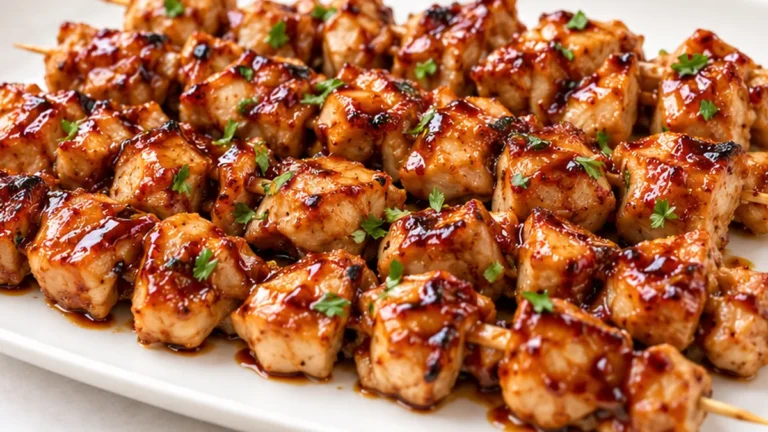
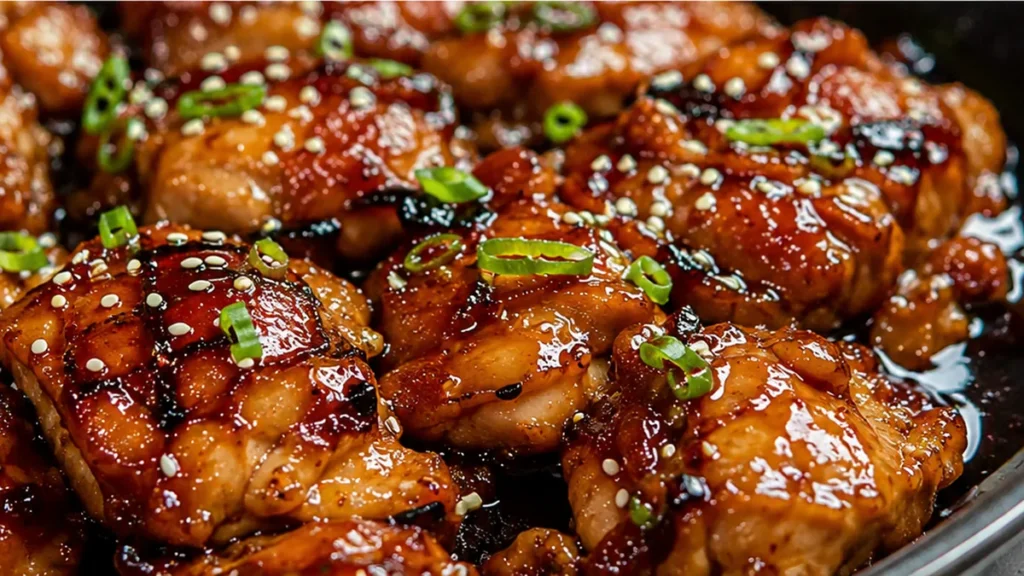
The key to truly exceptional teriyaki chicken lies in a simple homemade glaze and proper chicken thigh preparation. This recipe focuses on achieving that perfect balance of sweet and savory with a sticky coating that clings beautifully, all without complex steps. Our approach to teriyaki chicken emphasizes quick marination and skillet cooking to ensure maximum flavor infusion and juicy results, making it ideal for weeknight dinners when time is short but you crave something delicious.
Key takeaways
- Marinate chicken thighs for 2-4 hours for maximum flavor absorption.
- Simmer reserved marinade to create a thick glaze after cooking.
- Use a meat thermometer to ensure chicken reaches 165°F for juiciness.
- Consider ingredient swaps carefully to maintain flavor balance.
Juiciest Teriyaki Chicken!
Ingredients
- 1/4 cup soy sauce
- 3 tbsp brown sugar
- 1 tbsp water
- 1 clove garlic, minced
- 1 tsp grated fresh ginger
- 2 tbsp cooking oil, divided
- 1.75 lbs boneless, skinless chicken thighs
Instructions
- In a bowl, stir together soy sauce, brown sugar, water, minced garlic, grated ginger, and 1 Tbsp of the cooking oil.
- Place chicken thighs in a shallow bowl. Pour marinade over chicken, turning to coat well. Marinate for at least 30 minutes (or up to 1 day refrigerated), turning occasionally.
- When ready to cook, heat the remaining 1 Tbsp cooking oil in a large skillet over medium heat. Add chicken, discarding any unused marinade.
- Cook chicken for about 5-7 minutes per side, until cooked through and the skillet liquid reduces to a sticky glaze coating the chicken.
- Transfer chicken to a cutting board and let rest for 5 minutes before slicing and serving.
Video
Notes
The Importance of Marinade in Teriyaki Chicken
The marinade is crucial in teriyaki chicken as it infuses flavor and tenderizes the meat. The combination of soy sauce, brown sugar, garlic, and ginger creates a balanced profile of umami, sweetness, and spice. For optimal results, marinate the chicken thighs for at least 30 minutes, but ideally 2-4 hours. This allows the soy sauce to penetrate the meat, enhancing flavor and moisture retention.
Achieving the Perfect Glaze
The glaze is what makes teriyaki chicken visually appealing and adds depth to the flavor. To achieve this, after cooking the chicken, reserve some marinade and simmer it on low heat until it thickens. This process relies on the Maillard reaction, which occurs at temperatures above 140°F (60°C), creating a rich color and flavor. Aim for a simmer time of about 5-10 minutes.
Common Issues with Cooking Chicken Thighs
One common issue is overcooking, which leads to dry chicken. Chicken thighs are best cooked at an internal temperature of 165°F (74°C). Using a meat thermometer can help ensure accuracy. Another issue is uneven cooking; to prevent this, consider flattening the chicken thighs slightly for uniform thickness. If the chicken is too salty, this may result from marinating too long; a maximum of 4 hours is recommended.
Ingredient Swaps for Teriyaki Chicken
- Low-Sodium Soy Sauce: Reduces sodium content; however, the overall flavor may be less intense.
- Honey instead of Brown Sugar: Adds a different sweetness and can result in a slightly stickier glaze.
- Vegetable Oil instead of Cooking Oil: May alter the flavor slightly but can be used for a healthier option.
- Chicken Breasts instead of Thighs: Results in a leaner dish but can dry out more easily if overcooked.
Unique Characteristics of Teriyaki Chicken
Teriyaki chicken stands out due to its unique combination of sweet and savory flavors, which is less common in other chicken dishes. The use of brown sugar in the marinade not only enhances sweetness but also contributes to the caramelization during cooking. This results in a distinctive flavor profile that balances richness with a slight tang from the soy sauce, making it a beloved dish in both home kitchens and restaurants.
How to Prepare Teriyaki Chicken in Advance
Preparing teriyaki chicken in advance can save time and enhance flavors. You can marinate the chicken thighs for up to 24 hours in the refrigerator. The marinade, which includes soy sauce, brown sugar, garlic, and ginger, penetrates the meat, resulting in a richer taste. If you plan to cook it later, store the marinated chicken in an airtight container. For longer storage, freeze the marinated chicken for up to 3 months. When ready to cook, thaw it in the refrigerator overnight before grilling or pan-searing.
Adjusting Portions for Larger Gatherings
Scaling the recipe for teriyaki chicken is straightforward. The marinade can be multiplied based on the amount of chicken you use. For every additional pound of chicken thighs, increase the soy sauce by 1/4 cup, brown sugar by 3 tablespoons, and maintain the garlic and ginger ratios for balanced flavor. Ensure that the chicken pieces are uniform in size for even cooking, and consider cooking in batches if your cooking surface cannot accommodate all the chicken at once. This prevents overcrowding, which can lead to steaming instead of searing.
Choosing the Right Cooking Equipment for Teriyaki Chicken
The equipment you use can significantly impact the outcome of your teriyaki chicken. A cast-iron skillet or a grill pan is ideal for achieving a nice sear, as these materials retain heat well. If using a grill, preheat it to medium-high heat (about 375°F to 450°F). For those using an oven, roasting at 400°F (204°C) can also yield delicious results. Whichever method you choose, ensure the chicken reaches an internal temperature of 165°F (74°C) for safe consumption.
Seasonal Variations and Ingredient Quality Impacting Teriyaki Chicken
Ingredient quality can vary with the seasons, affecting the final flavor of your teriyaki chicken. Fresh, high-quality chicken thighs will yield a juicier result. In summer, when fresh garlic and ginger are available, use them for a more robust flavor. Additionally, consider adding seasonal vegetables like bell peppers or zucchini to the dish, enhancing both flavor and nutrition. Adjusting the amount of sugar based on the sweetness of seasonal ingredients can also make a difference. For instance, summer produce tends to be sweeter, which may allow you to reduce the brown sugar slightly.
How to Achieve Optimal Flavor Balance in Teriyaki Chicken
The key to a well-balanced teriyaki chicken lies in the harmony between sweet, salty, and umami flavors. The use of brown sugar in this recipe contributes to the sweetness, while soy sauce adds saltiness and depth. To enhance umami, consider adding a splash of mirin or sake to the marinade. The ideal ratio for the marinade is 1 part soy sauce to 1 part sweetener, which in this case is brown sugar. Allow the chicken to marinate for at least 30 minutes, but preferably 2 hours, to ensure the flavors penetrate the meat effectively. This not only enhances taste but also contributes to moisture retention during cooking.
Understanding Cooking Time and Temperature for Perfectly Juicy Chicken
Choosing the Right Cooking Method for Teriyaki Chicken
The cooking method significantly impacts the texture and flavor of teriyaki chicken. While grilling imparts a smoky flavor and beautiful char, pan-searing in a skillet allows for better control over the cooking process. If using a grill, ensure it is preheated to medium-high heat and oil the grates to prevent sticking. For stovetop cooking, use a heavy skillet over medium heat, adding a tablespoon of oil to prevent sticking and promote browning. When cooking, baste the chicken with the marinade to enhance flavor and moisture. Each method has its merits, but both can yield delicious results when executed properly.
Understanding the Impact of Marinade Duration on Teriyaki Chicken
The duration for which you marinate teriyaki chicken significantly affects its flavor and tenderness. A minimum of 30 minutes is recommended, but for optimal results, marinating for 2 to 4 hours is ideal. This allows the soy sauce and brown sugar to penetrate the meat, breaking down proteins and enhancing moisture retention. If marinated too long, particularly over 24 hours, the chicken can become overly salty and mushy due to the high sodium content in soy sauce. A good balance is crucial for achieving that juicy texture and rich flavor profile characteristic of teriyaki chicken.
Choosing the Right Cooking Method for Juiciness in Teriyaki Chicken
The method of cooking can greatly influence the juiciness of teriyaki chicken. Grilling or pan-searing are excellent choices as they allow for quick cooking at high heat, promoting the Maillard reaction, which develops a rich flavor and appealing color. Aim for an internal temperature of 165°F (74°C) for safe consumption. Cooking at too low a temperature can lead to dry chicken, while cooking too fast without proper temperature control can result in burnt exteriors and raw interiors. Using a meat thermometer can help ensure that the chicken is cooked perfectly.
How to Make Teriyaki Chicken Ahead of Time
Preparing teriyaki chicken in advance can save time without compromising flavor. The marinade can be made up to 24 hours ahead, allowing the chicken to absorb the flavors deeply. Store the marinated chicken in an airtight container in the refrigerator. When ready to cook, allow the chicken to come to room temperature for about 15-20 minutes for even cooking. If you plan to cook the chicken later, it can be frozen after marinating for up to three months. Thaw in the refrigerator overnight before cooking. However, be cautious; freezing may slightly alter the texture of the chicken, making it less juicy upon cooking.
Understanding the Impact of Cooking Equipment on Teriyaki Chicken
The choice of cooking equipment plays a crucial role in the outcome of teriyaki chicken. A cast-iron skillet or a heavy-bottomed pan is ideal for achieving a good sear, which enhances the Maillard reaction, creating a rich flavor and appealing color. Non-stick pans may not achieve the same level of caramelization due to their coating. If using a grill, ensure it is preheated to medium-high heat for proper searing. The cooking time may vary based on the equipment; grill-cooked chicken may require less time compared to stovetop cooking due to direct heat. Always use a meat thermometer to check for an internal temperature of 165°F (75°C) to ensure food safety.
Pro tips
- Use dark brown sugar for a richer, more molasses-like flavor.
- Don’t skip the marinating time; it’s crucial for flavor and tenderness.
- Ensure the skillet is hot before adding chicken to get a good sear and glaze.
- For extra flavor, add a pinch of red pepper flakes to the marinade.
Enjoy this easy homemade teriyaki chicken as a delicious and satisfying meal, perfect for any night of the week. Serve with rice and your favorite steamed vegetables.
Frequently asked questions
How long should I marinate the chicken?
For the best flavor and tenderness, marinate the chicken thighs for at least 30 minutes, but ideally 2-4 hours. This allows the marinade to penetrate the meat effectively.
Can I use chicken breasts instead of thighs?
Yes, you can use chicken breasts, but be cautious as they can dry out more easily. Ensure to monitor the cooking time closely and check for an internal temperature of 165°F.
What can I do if my teriyaki chicken is too salty?
If the chicken is too salty, it might be due to over-marinating. Limit the marinating time to a maximum of 4 hours. You can also balance the saltiness by serving the chicken with a side of rice or vegetables.
Why is my teriyaki glaze not thickening?
If the glaze is not thickening, ensure you are simmering it over low heat and allowing enough time for the water to evaporate. A simmer time of 5-10 minutes is typically sufficient to achieve the desired consistency.
More from High-Protein Dinners →