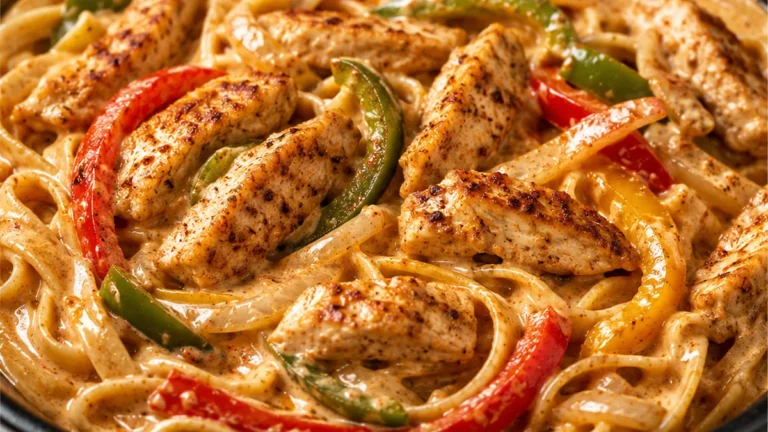
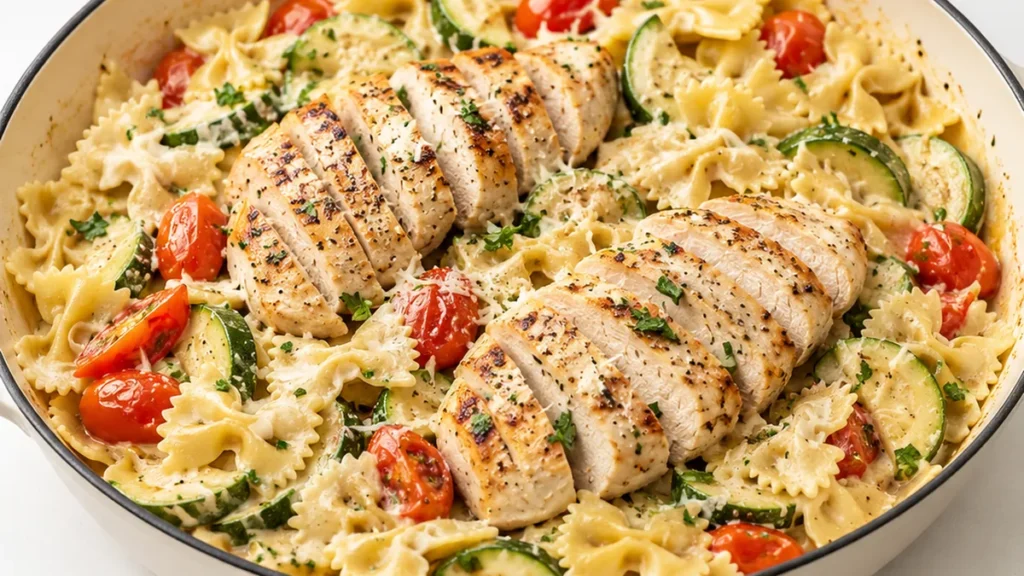
This Chicken Pasta Primavera recipe is a weeknight savior! Forget complicated steps and endless pots – this bright dish brings together tender chicken, crisp-tender vegetables, and perfectly cooked pasta in a light, flavorful sauce. It’s the ideal way to enjoy a healthy and delicious meal without spending hours in the kitchen. Ready in about 45 minutes, it’s perfect for busy evenings when you crave something satisfying and fresh. The key to this chicken pasta primavera is balancing fresh ingredients with simple seasonings. We’re using a medley of colorful vegetables that add both visual appeal and nutritional value, making each bite a delightful mix of textures and tastes. This recipe proves that a flavorful, restaurant-worthy pasta dish can be achievable any night of the week.
Key takeaways
- Use boneless, skinless chicken breasts for quick cooking.
- Cook pasta al dente for the best texture.
- Season with herbs and fresh ingredients for enhanced flavor.
- Adjust sauce consistency with reserved pasta water.
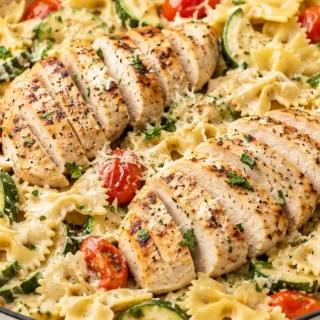
Chicken Primavera Pasta: A Weeknight Favorite!
Ingredients
- 2 boneless, skinless chicken breasts (about 1.5 lb.)
- 1 tsp dried oregano, divided
- 1 tsp salt, divided
- ½ tsp garlic powder
- ½ tsp freshly cracked black pepper, divided
- 2 tbsp olive oil
- 8 oz dry pasta
- 2 tbsp butter
- 2 cloves of garlic, minced
- 1 cup grape tomatoes, halved
Instructions
- Pound the chicken breasts to an even 1/2 inch thickness.
- Mix oregano, salt, garlic powder, and black pepper. Season both sides of the chicken.
- Heat olive oil in a large skillet over medium heat. Cook chicken until it reaches 165°F internal temperature.
- While chicken cooks, boil salted water and cook pasta according to package directions.
- Drain pasta. Melt butter in the skillet with the cooked chicken.
- Add minced garlic and halved grape tomatoes to the skillet. Sauté for 2-3 minutes until tomatoes soften.
- Add the cooked pasta to the skillet with the chicken and vegetables. Toss to combine and serve.
Video
Notes
Understanding the Importance of Chicken in Pasta Dishes
The chicken in chicken pasta serves as the primary protein source, contributing not only flavor but also texture to the dish. When selecting chicken for your pasta, boneless, skinless chicken breasts are ideal due to their lean nature and quick cooking time. Cooking chicken properly is crucial; it should reach an internal temperature of 74°C (165°F) to ensure safety while remaining juicy. Overcooked chicken can become dry and tough, detracting from the overall dish.
How to Perfectly Cook Pasta for Chicken Primavera
Cooking pasta al dente is essential for achieving the right texture in chicken primavera. Al dente pasta should be firm to the bite, which typically requires about 8 to 10 minutes of boiling in salted water, depending on the type of pasta used. The salt in the water enhances the pasta’s flavor and helps it absorb the sauce better. Additionally, reserving some pasta water before draining can help adjust the sauce’s consistency later on.
Flavor Enhancements: The Role of Seasoning and Ingredients
Seasoning is key in elevating the flavors of chicken primavera. The use of dried oregano and garlic powder in this recipe adds depth and aroma. Fresh ingredients like grape tomatoes not only contribute freshness but also acidity, balancing the richness of the chicken and pasta. When sautéing the garlic, it should be cooked just until fragrant to avoid bitterness. Incorporating these elements thoughtfully can transform a simple dish into a flavorful experience.
Common Issues and Solutions in Chicken Primavera Preparation
- Issue: Chicken is dry.
- Solution: Ensure the chicken is not overcooked. Use a meat thermometer to check for doneness.
- Issue: Pasta is mushy.
- Solution: Cook pasta for the recommended time and test for doneness a minute or two before the package instructions suggest.
- Issue: Sauce is too thin.
- Solution: Add reserved pasta water gradually to thicken the sauce, or allow it to simmer longer to reduce.
Unique Characteristics of Chicken Primavera Pasta
Unlike many traditional pasta dishes that rely heavily on cream or cheese, chicken primavera emphasizes fresh vegetables and lean protein, making it a lighter option. The combination of sautéed garlic, fresh tomatoes, and olive oil creates a vibrant sauce that complements the chicken without overpowering it. This dish showcases the beauty of seasonal produce, allowing for variations that can include a wide array of vegetables, from bell peppers to zucchini, depending on what is available.
How to Make Chicken Primavera Ahead of Time
Preparing Chicken Primavera in advance can save time on busy weeknights. To do this, cook the chicken and pasta as per the recipe, then cool them quickly to avoid bacterial growth. Store the cooked chicken and pasta separately in airtight containers in the refrigerator for up to three days. When ready to serve, reheat the chicken in a skillet with a little olive oil, and add the pasta, tomatoes, and any remaining ingredients. This method maintains the dish’s freshness while allowing for quick assembly.
Scaling Chicken Primavera for Larger Gatherings
Scaling Chicken Primavera is straightforward, making it a great option for gatherings. When increasing the recipe, maintain the ratio of chicken, pasta, and vegetables to ensure balanced flavors. For instance, if doubling the recipe, use four chicken breasts, 16 ounces of pasta, and increase the vegetables accordingly. Keep in mind that cooking times may vary slightly, especially when using larger pots or pans. Ensure that the chicken is cooked through and the pasta is al dente by checking frequently.
Understanding Equipment Variations for Cooking Chicken Primavera
The equipment you use can significantly impact the outcome of Chicken Primavera. A large skillet or sauté pan is ideal for even cooking and ensuring that the chicken develops a nice sear. If using a non-stick pan, you may need less oil. A pot with a wide base is recommended for boiling pasta, as it allows for better water circulation. If using an electric stovetop, be aware that heat distribution may vary, so adjust cooking times accordingly to prevent uneven cooking.
How Seasonal Ingredients Affect Chicken Primavera
Using seasonal ingredients can elevate Chicken Primavera’s flavor profile. For example, summer brings ripe tomatoes, which add sweetness and acidity, while spring offers fresh asparagus, which adds a delightful crunch. When using seasonal produce, adjust cooking times accordingly; for instance, tender vegetables like zucchini may require less cooking time than heartier options like bell peppers. Additionally, be mindful of the quality of ingredients, as fresher produce will enhance the overall taste and texture of the dish.
How to Adjust Chicken Primavera for Seasonal Ingredients
When preparing chicken primavera, the choice of seasonal vegetables can significantly impact the dish’s flavor and texture. For instance, spring offers fresh asparagus and peas, while summer brings zucchini and bell peppers. Each vegetable has its own cooking time and moisture content, which can affect the overall dish. For example, asparagus should be blanched briefly to maintain its vibrant color and crunch, while zucchini can be sautéed until just tender. This adaptability allows you to create a dish that not only highlights the chicken but also showcases the best produce of the season. Aim to use about 200-300 grams of vegetables per serving to maintain a balanced ratio with the pasta and chicken.
Batch Scaling: Preparing Chicken Primavera for Larger Groups
Scaling chicken primavera for larger gatherings requires careful consideration of both ingredient ratios and cooking times. A good rule of thumb is to increase the quantity of pasta by 75 grams per additional serving, while keeping the chicken and vegetables in similar proportions to maintain balance. For example, if serving six people, use about 450 grams of pasta, 3-4 chicken breasts, and adjust the vegetables accordingly. Cooking in larger batches may require a larger pot for boiling pasta and a wider pan for sautéing vegetables to ensure even cooking. Be mindful of the heat; larger quantities may take longer to cook through, so adjust your cooking times accordingly, typically adding an extra 5-10 minutes.
Understanding Equipment Variations for Cooking Chicken Primavera
The equipment used can greatly influence the preparation of chicken primavera. If using a non-stick skillet, you may need less oil, while stainless steel pans require more attention to prevent sticking. Additionally, the heat source matters; gas stoves provide instant heat adjustments, while electric stoves may take longer to change temperatures. When sautéing vegetables, a high heat is essential to achieve a nice sear without overcooking. For optimal results, consider using a large sauté pan or a wok, which allows for better heat distribution and more room for ingredients. This ensures that the chicken and vegetables cook evenly and that the pasta can be tossed thoroughly with the sauce.
How to Properly Store Chicken Primavera Pasta for Later Enjoyment
Storing Chicken Primavera Pasta correctly ensures that you can enjoy this delicious dish even days after making it. To store, allow the pasta to cool completely at room temperature before placing it in an airtight container. This helps prevent condensation, which can lead to sogginess. Refrigerate the pasta within two hours of cooking to keep it safe from bacterial growth. Properly stored, Chicken Primavera can last for up to three to four days in the refrigerator. When reheating, add a splash of water or broth to maintain moisture, and heat gently in a pan or microwave, stirring occasionally to ensure even warming.
Scaling Chicken Primavera for Larger Gatherings: Tips and Considerations
When scaling Chicken Primavera for larger gatherings, it’s essential to consider both ingredient proportions and cooking methods. A good rule of thumb is to increase the pasta and chicken by about 50% for every additional 4-6 servings. However, be mindful that cooking times may vary; larger quantities might require a longer cooking time, especially for the chicken to reach the safe internal temperature of 75°C (165°F). Additionally, consider using multiple pans to ensure even cooking and prevent overcrowding, which can lead to steaming rather than searing. This will help maintain the vibrant colors and textures of the vegetables as well.
Pro tips
- For extra flavor, use fresh garlic instead of powder.
- Don’t overcook the chicken; aim for an internal temperature of 165°F (74°C).
- Reserve a little pasta water before draining to help create a silky sauce.
- Add a squeeze of lemon juice at the end for brightness.
Enjoy this fresh and satisfying Chicken Pasta Primavera – a perfect weeknight meal that’s both easy and delicious. Try it tonight!
Frequently asked questions
Can I use other types of chicken for this recipe?
Yes, you can use thighs or even rotisserie chicken for added flavor. Just ensure the meat is cooked thoroughly and adjust cooking times as needed.
What vegetables can I add to chicken primavera?
You can add bell peppers, zucchini, broccoli, or spinach. Just make sure to sauté them until tender but still vibrant to maintain their flavor and texture.
How do I store leftovers of chicken primavera?
Store leftovers in an airtight container in the refrigerator for up to 3 days. Reheat gently on the stove with a splash of water or broth to prevent drying out.
Can I make this dish vegetarian?
Absolutely! Replace the chicken with tofu or chickpeas and use vegetable broth instead of chicken broth for a delicious vegetarian option.
More from High-Protein Dinners →