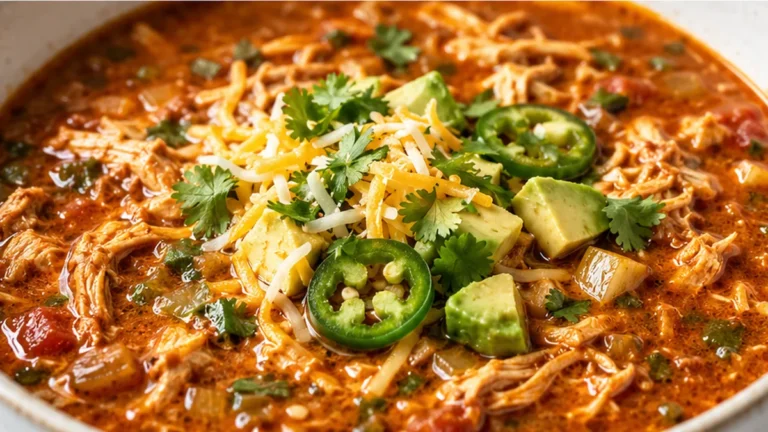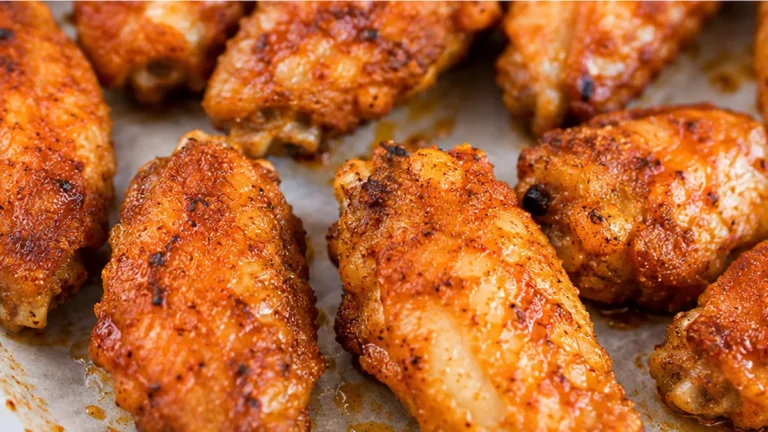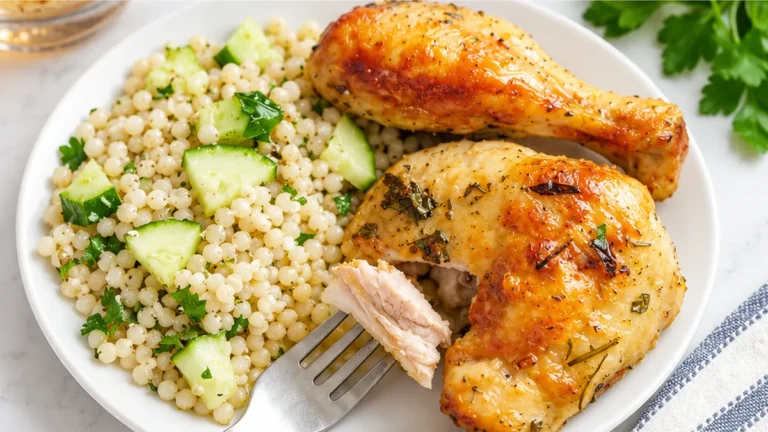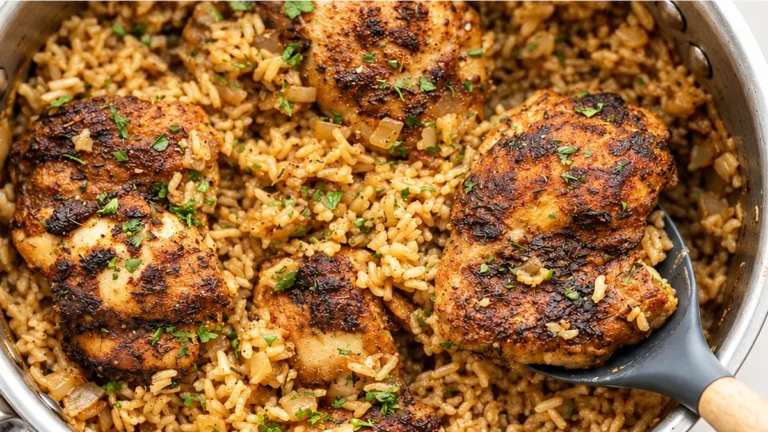
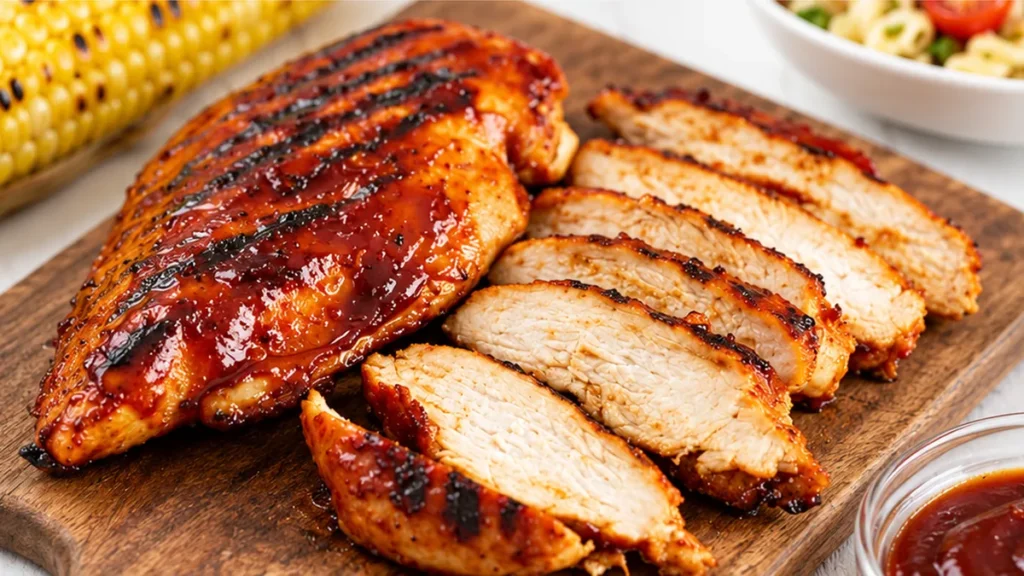
These juiciest bbq chicken breasts are perfect for any cookout. Using a honey mustard glaze, they achieve a tender and flavorful finish.
Key takeaways
- Marinating chicken breasts enhances flavor and tenderness.
- Cook to an internal temperature of 75°C (165°F) for safety and juiciness.
- Monitor cooking times closely to avoid dryness and uneven cooking.
- Ingredient swaps can change flavor profiles but require attention to balance.
Juiciest BBQ Chicken Breasts!
Ingredients
- 2 large chicken breasts (boneless skinless)
- 2 tbsp olive oil
- ½ tsp sea salt
- ½ tsp black pepper (freshly cracked)
- 1 tsp smoked paprika
- 2 tsp brown sugar
- ¼ cup BBQ sauce
Instructions
- Preheat your grill to 450°F (230°C).
- Tenderize: Place chicken breasts in a heavy-duty baggie. Flatten to ½-¾ inch thickness using a meat mallet or rolling pin.
- Season: Rub each chicken breast with olive oil. Then, generously rub with sea salt, black pepper, brown sugar, and smoked paprika. Let chicken sit at room temperature for a few minutes.
- Grill: Place seasoned chicken breasts on the hot grill. Cook for 6 minutes per side, until they easily release from the grates.
- Baste: After the first flip, brush each breast with BBQ sauce.
- Finish cooking for an additional 2 minutes per side, or until the internal temperature reaches 165°F (74°C).
Understanding the Importance of Marinade in BBQ Chicken Breasts
Marinades play a crucial role in flavoring and tenderizing chicken breasts. A good marinade typically contains an acid (like vinegar or citrus juice), oil, and various seasonings. The acid helps to break down proteins, making the meat more tender, while the oil aids in moisture retention during cooking. For optimal results, marinate the chicken breasts for at least 30 minutes, but ideally for several hours or overnight. This allows the flavors to penetrate deeply, enhancing the overall taste of the dish.
Temperature Control: The Key to Juiciness
Cooking chicken breasts to the right internal temperature is essential for achieving juiciness. The USDA recommends cooking poultry to an internal temperature of 75°C (165°F). However, many chefs suggest pulling the chicken from the heat at around 70°C (160°F) and allowing it to rest, as it will continue to cook slightly during this period. This method helps to retain juices, preventing the meat from becoming dry. Using a meat thermometer can ensure precision in achieving the desired doneness.
Common Issues and Solutions When Grilling Chicken Breasts
One common issue when grilling chicken breasts is dryness. This often occurs when the chicken is overcooked. To fix this, ensure you monitor the cooking time closely and use a meat thermometer. Another issue is uneven cooking, which can happen if the chicken breasts are uneven in thickness. To address this, consider pounding the chicken to an even thickness before marinating. This will promote even cooking and enhance tenderness.
Ingredient Swaps and Their Effects
Substituting ingredients can yield different flavor profiles and textures in BBQ chicken breasts. For instance, swapping apple cider vinegar for lemon juice will impart a sweeter taste due to the natural sugars in apple cider. Additionally, using honey instead of sugar in the marinade can add a rich caramelization during grilling, enhancing the overall flavor. However, be cautious with the quantities, as these substitutions may alter the balance of acidity and sweetness in the marinade.
A Unique Aspect of BBQ Chicken Breasts
Unlike many other grilled meats, chicken breasts are particularly susceptible to drying out due to their low-fat content. This characteristic necessitates careful attention to cooking times and techniques. Utilizing a two-zone grilling method, where one side of the grill is hotter than the other, allows for searing the chicken over high heat and then moving it to a cooler side to finish cooking gently. This technique helps maintain moisture and achieve a perfect char without sacrificing juiciness.
How to Properly Store and Reheat BBQ Chicken Breasts
Storing BBQ chicken breasts correctly ensures they remain juicy and flavorful for later use. To store, allow the chicken to cool completely before placing it in an airtight container. It can be refrigerated for up to four days or frozen for up to three months. When reheating, avoid using high temperatures that can dry out the meat. Instead, reheat in an oven at 175°C (350°F) covered with foil for about 15-20 minutes, or until the internal temperature reaches 74°C (165°F). This method helps retain moisture, ensuring the chicken remains juicy.
Scaling Your BBQ Chicken Breasts Recipe for Larger Gatherings
When scaling up the recipe for larger gatherings, it’s crucial to maintain the flavor and juiciness of the chicken. For every additional chicken breast, increase the marinade ingredients proportionately, ensuring that each piece is adequately coated. Consider cooking in batches if your grill or oven space is limited, as overcrowding can lead to uneven cooking. Monitor the internal temperature carefully, as larger batches may require slightly longer cooking times. Using a meat thermometer can help you achieve the desired doneness without overcooking.
Equipment Variations: Grilling vs. Baking BBQ Chicken Breasts
The choice of equipment can significantly impact the outcome of your BBQ chicken breasts. Grilling provides a smoky flavor and charred texture that baking cannot replicate. However, baking in an oven can be more forgiving and allows for more controlled cooking. If using a grill, preheat it to medium-high heat and oil the grates to prevent sticking. For baking, preheat the oven to 200°C (400°F) and use a baking sheet lined with parchment paper. Both methods can yield delicious chicken, but grilling will give the characteristic BBQ flavor.
Seasonal Ingredients: How Freshness Affects Your BBQ Chicken Breasts
The quality of ingredients used in your BBQ chicken breasts can vary with the seasons, influencing the final dish’s taste. Fresh herbs, for example, have a more vibrant flavor in spring and summer, enhancing the marinade’s profile. Similarly, the quality of chicken can vary based on the season, with local farms often providing fresher options during warmer months. When possible, opt for organic or locally sourced chicken, as this can improve flavor and texture. Additionally, seasonal vegetables can be grilled alongside the chicken for a complete meal.
Understanding the Effects of Marinade Timing on Flavor and Texture
The timing of marinating your chicken breasts can significantly influence both flavor absorption and texture. A marinade typically contains an acid, such as vinegar or citrus juice, which can begin to break down the proteins in the chicken. If marinated for too long, the chicken can become mushy. For optimal results, marinate the chicken for at least 30 minutes but not more than 2 hours. This timeframe allows the flavors to penetrate without compromising the meat’s integrity. Additionally, consider the ratio of marinade ingredients; a good rule of thumb is to use 1 part acid to 3 parts oil, ensuring a balanced flavor and moisture retention.
How to Adjust Cooking Time Based on Chicken Breast Thickness
The thickness of chicken breasts plays a crucial role in determining cooking time. Thicker breasts will require longer cooking times to reach the safe internal temperature of 75°C (165°F). Conversely, thinner breasts may cook too quickly, leading to dryness. For even cooking, consider pounding the chicken to a uniform thickness of about 2.5 cm (1 inch). If you have varying sizes, use a meat thermometer to check doneness; this ensures that all pieces are cooked perfectly, preventing overcooking and maintaining juiciness. Generally, cooking chicken breasts on a grill at medium heat should take about 6-8 minutes per side, depending on thickness.
Pairing Sides and Sauces for Enhanced Flavor Profiles
When serving BBQ chicken breasts, the choice of sides and sauces can elevate the entire meal. Complement the smoky, savory flavors of the chicken with sides like coleslaw, corn on the cob, or grilled vegetables, which provide a refreshing contrast. For sauces, consider a tangy vinegar-based BBQ sauce or a creamy ranch dressing that can enhance the overall flavor experience. Additionally, incorporating seasonal ingredients, such as fresh herbs or citrus fruits, can add brightness to the dish. Remember, the right pairing not only enhances the chicken but also creates a well-rounded meal that excites the palate.
Understanding the Impact of Ingredient Quality on BBQ Chicken Breasts
The quality of your ingredients plays a crucial role in the final outcome of your BBQ chicken breasts. Fresh, high-quality chicken will inherently have better flavor and texture compared to lower-quality alternatives. Look for chicken breasts that are plump, with a pink hue and minimal discoloration. The source of your chicken also matters; organic or free-range options often have a richer taste and firmer texture. Additionally, the quality of your marinade ingredients, such as fresh herbs, spices, and oils, can significantly affect the overall flavor profile. For example, using fresh garlic instead of powdered garlic can provide a more robust flavor. When possible, opt for local, seasonal produce for marinades and sides, as they tend to be fresher and more flavorful. Remember, the integrity of your ingredients can elevate your BBQ chicken breasts from ordinary to extraordinary.
Scaling BBQ Chicken Breasts for Larger Gatherings
When scaling your BBQ chicken breasts recipe for larger gatherings, it’s essential to maintain the same flavor and juiciness. Start by multiplying your ingredient quantities proportionally, but be mindful of cooking times. Larger batches may require adjustments in cooking time due to changes in heat distribution. For instance, if you’re grilling multiple chicken breasts at once, ensure they are evenly spaced on the grill to allow for proper airflow and heat circulation. Consider using indirect heat for larger quantities to avoid burning the outside while ensuring the inside is cooked through. Additionally, marinating in larger batches can be challenging; ensure each piece is well-coated by using a large resealable bag or a container that allows for even distribution of the marinade. Lastly, keep an eye on the internal temperature of the chicken, aiming for 75°C (165°F) to ensure food safety while maintaining juiciness.
Pro tips
Pro tip: Best served immediately while hot!
Frequently asked questions
How long should I marinate the chicken breasts?
For best results, marinate the chicken breasts for at least 30 minutes, but ideally for several hours or overnight. This allows the flavors to penetrate the meat effectively.
Can I grill chicken breasts without a meat thermometer?
While it’s possible to grill chicken breasts without a meat thermometer, using one is highly recommended for accuracy. It ensures the chicken reaches a safe internal temperature without drying out.
What can I do if my chicken breasts turn out dry?
If your chicken breasts are dry, it may be due to overcooking. To avoid this in the future, monitor cooking times closely and consider brining the chicken before cooking for added moisture.
Is it necessary to let the chicken rest after cooking?
Yes, allowing the chicken to rest for a few minutes after cooking helps retain its juices. This step is crucial for ensuring that the chicken remains moist and flavorful when sliced.
More from High-Protein Dinners →