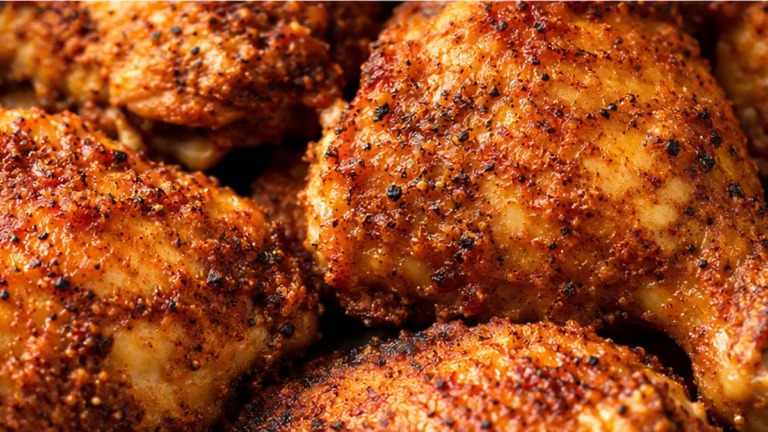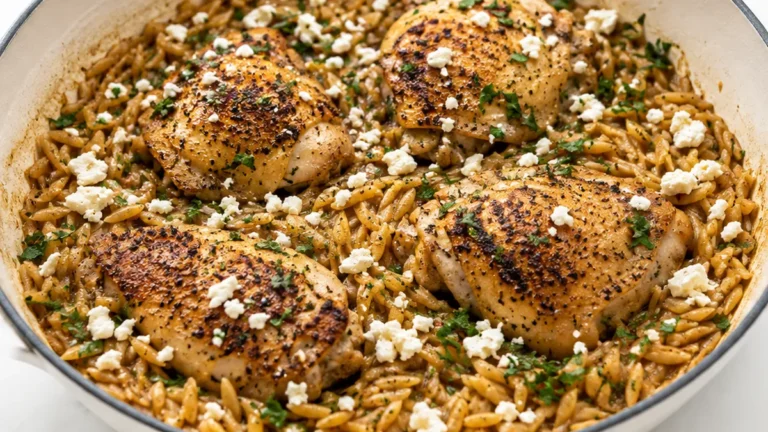
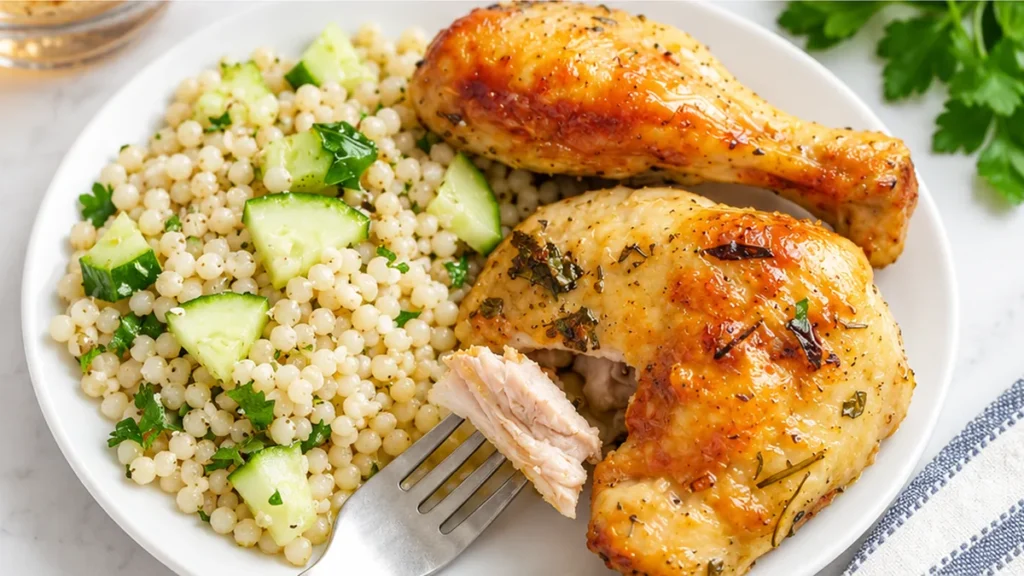
This juicy greek lemon herb chicken is marinated in a blend of lemon juice, garlic, and herbs. It’s a simple yet flavorful dish that’s easy to prepare.
Key takeaways
- Marinating chicken enhances flavor and tenderness.
- Allowing chicken to rest post-cooking keeps it juicy.
- Cooking at the right temperature prevents dryness.
- Traditional Greek herbs elevate the dish’s flavor profile.
Juicy Greek Lemon Herb Chicken
Ingredients
- 1 cup plain yogurt
- 2 tbsp olive oil
- 4 garlic cloves (minced)
- ½ tbsp dried oregano
- 1 medium lemon
- ½ tsp salt
- ¼ tsp black pepper (freshly cracked)
- 3 ½ to 4 lbs. chicken pieces
Instructions
- In a bowl, combine the plain yogurt, olive oil, minced garlic, dried oregano, salt, and black pepper.
- Zest the entire lemon into the bowl. Then, juice half of the lemon into the bowl.
- Stir the marinade ingredients until well combined.
- Roughly chop the fresh parsley and stir it into the marinade.
- Add the chicken pieces to a large zip-top bag or bowl. Pour the marinade over the chicken.
- Massage the bag to ensure all chicken pieces are thoroughly coated. Refrigerate for at least 30 minutes to marinate.
Understanding the Marinade: The Key to Flavor
The marinade for juicy Greek lemon herb chicken is crucial not only for flavor but also for tenderizing the meat. The acidity from the lemon juice helps to break down proteins, making the chicken more tender. A typical marinade ratio includes about 1 part acid (lemon juice) to 3 parts oil (olive oil), along with herbs and spices. This balance ensures that the chicken absorbs the flavors without becoming mushy. Marinating for at least 30 minutes to 2 hours is ideal, but overnight is best for maximum flavor infusion.
Common Cooking Mistakes and How to Avoid Them
One common mistake when cooking chicken is not allowing it to rest after cooking. Resting for 5-10 minutes allows the juices to redistribute, resulting in a juicier final product. Another issue is cooking at too high a temperature, which can lead to a burnt exterior and undercooked interior. Aim for a cooking temperature of around 190°C (375°F) to ensure even cooking. Additionally, using a meat thermometer can prevent overcooking; chicken should reach an internal temperature of 75°C (165°F).
Ingredient Swaps for Different Flavors
If you want to experiment with the flavors of your juicy Greek lemon herb chicken, consider these swaps: using lime juice instead of lemon juice will give a different citrus profile, while adding yogurt to the marinade can enhance creaminess and tenderness. Alternatively, swapping fresh herbs for dried can provide a more concentrated flavor, but use about one-third of the amount, as dried herbs are stronger. Each swap will alter the flavor profile slightly, so choose according to your preference.
The Unique Aspect of Greek Cuisine in This Dish
This dish stands out due to its use of traditional Greek flavors, particularly the combination of lemon and herbs like oregano and thyme. These ingredients are staples in Greek cooking, providing a fresh and aromatic quality that is both vibrant and comforting. The use of olive oil not only adds flavor but also contributes to the health benefits associated with the Mediterranean diet, which emphasizes healthy fats and fresh ingredients.
Optimizing Flavor with Proper Marination Time
The duration of marination can significantly influence the flavor profile of juicy Greek lemon herb chicken. Ideally, marinating for at least 2 hours allows the chicken to absorb the citrus and herb flavors deeply. However, marinating overnight can enhance the taste even further, as the acid in the lemon juice helps to tenderize the meat. It’s important not to exceed 24 hours, as prolonged exposure to acidic marinades can lead to a mushy texture. Aim for 4-6 hours for the best balance of flavor and texture.
Choosing the Right Cooking Method for Optimal Juiciness
Different cooking methods can drastically affect the juiciness of the chicken. Grilling or baking are preferred methods for juicy Greek lemon herb chicken. Grilling over medium-high heat allows for a nice char while sealing in moisture. If baking, a temperature of 200°C (400°F) is ideal, and using a meat thermometer to check for an internal temperature of 75°C (165°F) ensures the chicken is cooked through without drying out. For extra moisture, consider basting the chicken with the marinade halfway through cooking.
Understanding the Impact of Ingredient Quality on Taste
The quality of ingredients used in this recipe can make a substantial difference in the final dish. Fresh herbs, such as oregano and thyme, provide a more vibrant flavor compared to dried herbs. Additionally, using high-quality olive oil enhances the richness of the marinade. When selecting lemons, opt for organic ones, as they tend to have more flavor and less wax coating. Freshly squeezed lemon juice is always preferable to bottled juice, which can lack the brightness needed for this dish.
Scaling the Recipe for Different Serving Sizes
Scaling the recipe for juicy Greek lemon herb chicken is straightforward. When increasing the batch size, maintain the same ratio of ingredients in the marinade to ensure consistent flavor. For larger quantities, consider using a larger container for marinating to allow the chicken pieces to be fully coated. If cooking for a crowd, cooking in batches on the grill or using multiple baking sheets can help maintain even cooking. Adjust cooking times slightly, as larger pieces may require additional time to reach the desired internal temperature.
Understanding the Impact of Cooking Equipment on Juiciness
The type of cooking equipment you use can significantly affect the juiciness of Greek lemon herb chicken. For instance, using a cast iron skillet can provide better heat retention and even cooking, which helps in achieving a golden crust while keeping the inside moist. In contrast, a non-stick pan might not develop the same depth of flavor through browning. If grilling, ensure the grill is preheated adequately to achieve a sear that locks in juices. The temperature should be around 200°C (400°F) for optimal grilling. Additionally, using an instant-read thermometer can help you monitor the internal temperature, ensuring it reaches 75°C (165°F) without overcooking, which can lead to dryness.
Make-Ahead Strategies for Flavor and Convenience
Preparing Greek lemon herb chicken in advance can save time and enhance the flavors. Marinating the chicken the night before allows the herbs and lemon to penetrate deeper, resulting in a more flavorful dish. If you’re short on time, even a 30-minute marinade can yield good results, but the longer, the better. Once marinated, the chicken can be stored in the refrigerator for up to 24 hours. For meal prep, you can cook a larger batch and refrigerate or freeze portions. When reheating, do so gently to avoid drying out the chicken. Aim for a reheating temperature of around 70°C (160°F) to maintain juiciness.
Pairing and Serving Suggestions for Greek Lemon Herb Chicken
To complement the bright flavors of Greek lemon herb chicken, consider pairing it with sides that enhance its zestiness. A fresh Greek salad with cucumbers, tomatoes, and feta can provide a refreshing contrast. Roasted vegetables, such as zucchini and bell peppers, bring a sweet earthiness that balances the dish. For a starch, consider serving it with lemon-infused rice or orzo, which can absorb the chicken’s juices. As for beverages, a crisp white wine like Assyrtiko or a light rosé can elevate the meal, while water infused with lemon and mint can keep the palate refreshed. The key is to choose accompaniments that echo the dish’s bright, herbal notes without overpowering them.
Understanding the Role of Marination Time in Flavor Development
Marination time is crucial for developing the vibrant flavors characteristic of juicy Greek lemon herb chicken. The acid from the lemon juice penetrates the chicken, breaking down proteins and enhancing tenderness. A minimum of 30 minutes is recommended for the marinade to infuse flavor, but for optimal results, marinating for 2 to 4 hours is ideal. This allows the herbs and spices to thoroughly permeate the meat, resulting in a more flavorful dish. If marinated too long, however, the chicken can become mushy due to over-acidification. Therefore, balancing marination time is key to achieving that juicy texture while maximizing flavor.
Choosing the Right Cooking Method for Optimal Juiciness
The cooking method significantly impacts the juiciness of Greek lemon herb chicken. Grilling, baking, and pan-searing are popular methods, each offering unique advantages. Grilling imparts a smoky flavor and allows excess fat to drip away, enhancing the chicken’s natural juiciness. Baking at a moderate temperature of 190°C (375°F) ensures even cooking without drying out the meat. Pan-searing, on the other hand, provides a crispy exterior while locking in moisture. Regardless of the method, using a meat thermometer to check for an internal temperature of 75°C (165°F) is essential to prevent overcooking, which can lead to dryness. Understanding these methods enables cooks to select the best technique for achieving juicy, flavorful chicken.
Understanding the Importance of Proper Storage for Greek Lemon Herb Chicken
Storage is crucial for maintaining the juiciness and flavor of Greek lemon herb chicken. After cooking, allow the chicken to cool to room temperature before refrigerating to prevent condensation, which can lead to sogginess. Store the chicken in an airtight container to preserve moisture and prevent the absorption of other odors. Ideally, cooked chicken can be stored in the refrigerator for up to three to four days. For longer storage, consider freezing. Wrap the chicken tightly in plastic wrap or aluminum foil, then place it in a freezer-safe container or bag. When stored properly, Greek lemon herb chicken can last up to four months in the freezer. To reheat, thaw in the refrigerator overnight and warm gently in the oven or a skillet to avoid drying out the meat.
Scaling the Recipe for Larger Gatherings
When scaling the recipe for Greek lemon herb chicken, it’s important to maintain the balance of flavors while ensuring even cooking. For instance, if doubling the recipe, simply double the marinade ingredients; however, be cautious with the marination time, as larger batches may require slightly longer to absorb flavors. Additionally, consider the cooking method: if using a grill or oven, ensure that the chicken pieces are not overcrowded, as this can lead to uneven cooking. For larger gatherings, using a combination of cooking methods, such as grilling and oven roasting, can help manage cooking times and ensure everything is ready simultaneously. Always use a meat thermometer to check for doneness, aiming for an internal temperature of 75°C (165°F) for safety.
Pro tips
Pro tip: Best served immediately while hot!
Frequently asked questions
How long should I marinate the chicken?
For optimal flavor, marinate the chicken for at least 30 minutes, but 2 hours or overnight is recommended for deeper flavor penetration.
What is the best way to ensure the chicken is cooked through?
Using a meat thermometer is the most reliable method; the chicken should reach an internal temperature of 75°C (165°F) to ensure it is safely cooked.
Can I use other herbs instead of oregano?
Yes, you can substitute oregano with herbs like thyme or rosemary, but this will change the flavor profile slightly. Adjust the quantity as dried herbs are more potent than fresh.
What should I serve with Greek lemon herb chicken?
This dish pairs well with a Greek salad, roasted vegetables, or rice pilaf, complementing the bright flavors of the chicken.
More from High-Protein Dinners →