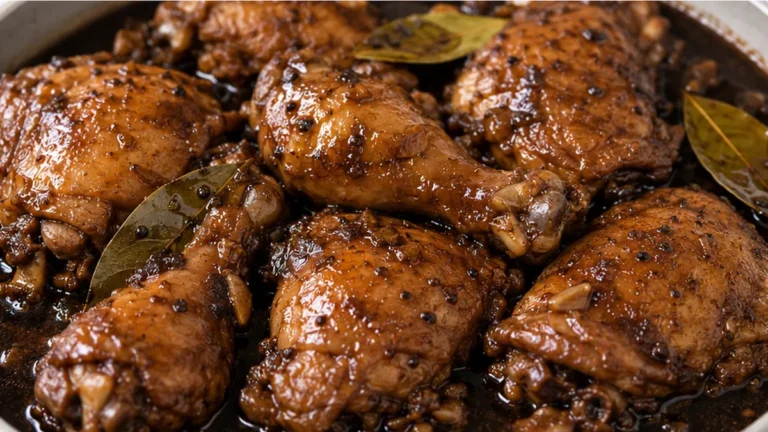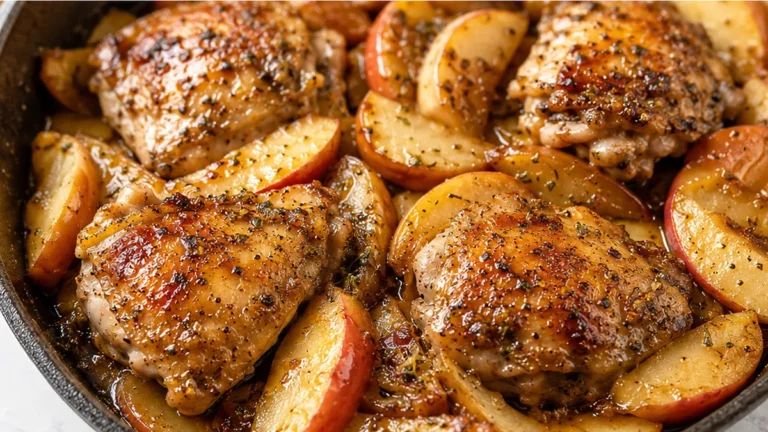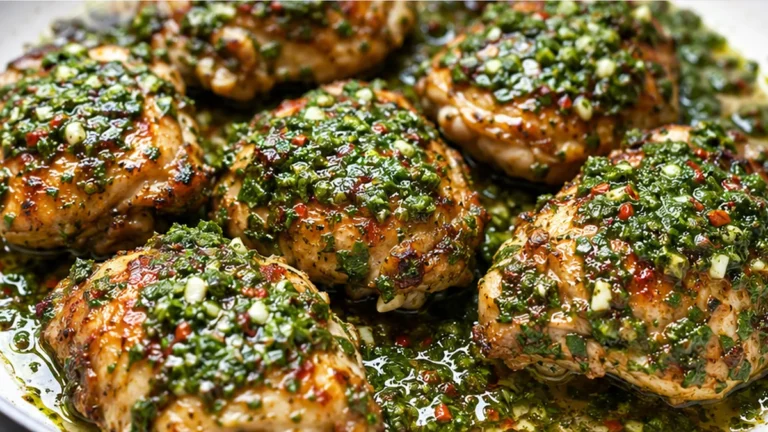
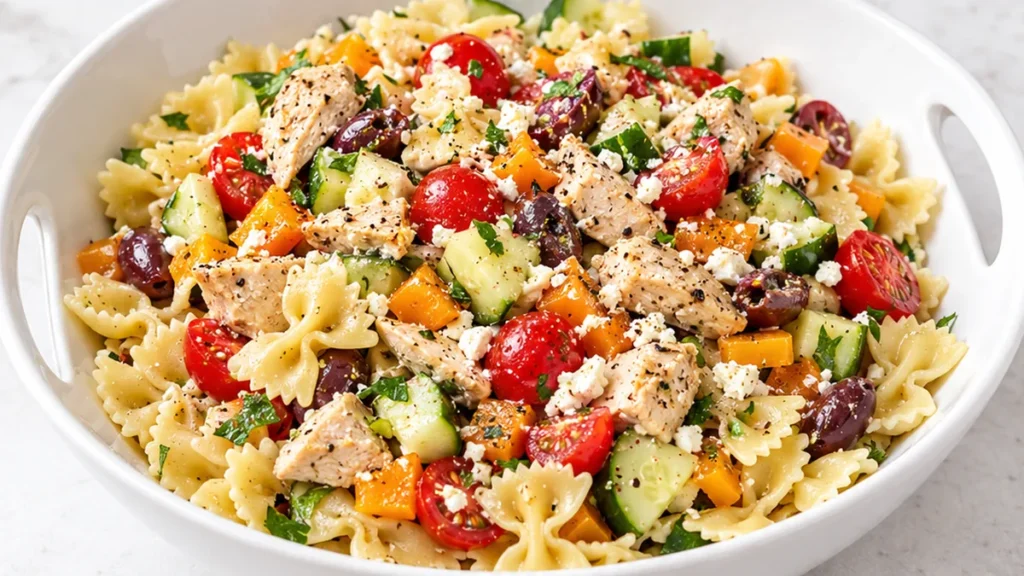
This greek chicken pasta salad features grilled chicken, fresh vegetables, and a tangy dressing. It’s a nutritious option for lunch or dinner.
Key takeaways
- Use fresh, high-quality ingredients for the best flavor.
- Cook pasta al dente to avoid sogginess.
- Dress the salad just before serving for optimal freshness.
- Experiment with ingredient swaps to customize flavor and texture.
Greek Chicken Pasta Salad
Ingredients
- 1 lemon
- 3 cloves garlic, divided
- 1/4 cup olive oil
- 1/2 tbsp dried oregano
- 1/2 tsp salt
- 1/2 tsp black pepper
- 2 boneless, skinless chicken thighs
- 8 oz pasta (any shape)
- 1/2 cucumber (1.5 cups diced)
- 1 bell pepper (any color)
Instructions
- Zest the lemon into a small bowl, then squeeze at least 1/4 cup juice into a separate bowl. Set zest aside.
- Whisk together lemon juice, 1/4 cup olive oil, minced garlic (2 cloves), oregano, salt, pepper, and a pinch of lemon zest to make the dressing.
- Mince 1 more garlic clove. Combine half the dressing with the chicken thighs and minced garlic in a zip-top bag. Marinate for at least 30 minutes.
- Cook pasta according to package directions. Drain and let cool completely.
- Heat a skillet over medium heat. Cook marinated chicken thighs for about 5 minutes per side until cooked through. Let rest, then chop into bite-sized pieces.
- Dice cucumber and bell pepper. If using tomatoes, halve or dice them. Chop parsley. Prepare any other chosen veggies.
- In a large bowl, combine cooled pasta, chopped cucumber, bell pepper, tomatoes, olives, parsley, and chicken. Pour remaining dressing over the salad, add lemon zest, and toss to combine.
Understanding the Key Ingredients in Greek Chicken Pasta Salad
The success of Greek chicken pasta salad hinges on the quality and balance of its ingredients. Fresh ingredients like ripe tomatoes, crisp cucumbers, and fragrant herbs such as oregano and parsley contribute to the salad’s vibrant flavor profile. The chicken should ideally be marinated to infuse it with flavors before cooking, as this enhances both taste and tenderness. For the pasta, using a shape that holds dressing well, such as fusilli or penne, ensures every bite is flavorful. The dressing, typically made from olive oil, lemon juice, and red wine vinegar, serves as a crucial component that ties all the elements together.
Common Pitfalls and How to Avoid Them
One common issue with Greek chicken pasta salad is sogginess, which can occur if the pasta is overcooked or if the salad is dressed too early. To prevent this, cook the pasta al dente, which means it should still have a slight bite to it. Additionally, dress the salad just before serving to maintain the freshness of the vegetables. Another potential problem is blandness; ensure that the chicken is adequately seasoned during marination and that the dressing is balanced with enough acidity to enhance the overall flavor. Finally, be cautious with ingredient proportions; too much pasta can overwhelm the other ingredients, leading to a less satisfying dish.
Ingredient Swaps for Flavor and Texture
For those looking to customize their Greek chicken pasta salad, several ingredient swaps can enhance flavor and texture. For instance, swapping out regular pasta for whole wheat or chickpea pasta adds a nutty flavor and increases fiber content. If olives are not to your taste, consider using capers for a similar briny kick. Additionally, feta cheese can be replaced with goat cheese for a creamier texture, although this will alter the flavor profile slightly. If you’re aiming to reduce calories, using grilled chicken breast instead of fried can still provide a satisfying protein source without the added fat.
The Unique Appeal of Greek Chicken Pasta Salad
What sets Greek chicken pasta salad apart from other pasta salads is its distinctive Mediterranean flavor profile, characterized by the use of ingredients like olives, feta cheese, and fresh herbs. This salad not only serves as a refreshing main dish but also holds well in the refrigerator, making it ideal for meal prep or potlucks. The combination of protein from the chicken, carbohydrates from the pasta, and healthy fats from the olive oil creates a balanced meal that is both satisfying and nutritious.
Understanding the Impact of Ingredient Quality on Flavor
The quality of ingredients in Greek chicken pasta salad significantly influences the overall flavor and texture of the dish. Fresh ingredients such as ripe tomatoes, crisp cucumbers, and high-quality feta cheese bring vibrant flavors that canned or processed alternatives cannot replicate. For instance, using fresh herbs like parsley or dill enhances the aromatic profile, while store-bought dressings may lack the depth of flavor achieved with a homemade vinaigrette. Additionally, the marination of the chicken in high-quality olive oil and fresh lemon juice not only tenderizes the meat but also infuses it with a zesty flavor that elevates the entire salad. Aim for a balance of flavors by selecting seasonal produce, which is often at its peak in taste and nutritional value.
Optimal Serving Temperature for Maximum Enjoyment
Serving temperature plays a critical role in the enjoyment of Greek chicken pasta salad. Ideally, this dish should be served chilled or at room temperature, allowing the flavors to meld beautifully. If the salad is served too cold, the flavors may be muted; conversely, serving it too warm can alter the texture of the ingredients, particularly the pasta and vegetables. To achieve the perfect serving temperature, allow the salad to rest in the refrigerator for at least an hour after preparation. This resting period not only enhances flavor integration but also ensures that the ingredients maintain their crispness, providing a delightful contrast to the tender chicken.
Scaling Up: Adjusting Portions Without Losing Flavor
When scaling up a recipe like Greek chicken pasta salad, it’s crucial to maintain the balance of flavors and textures. Doubling or tripling the recipe may seem straightforward, but variations in ingredient ratios can lead to a less harmonious dish. For example, if increasing the pasta quantity, consider the proportion of dressing; too much pasta can absorb the dressing and lead to a dry salad. A general rule of thumb is to increase the dressing by 10-15% for every additional serving. Additionally, ensure that the chicken is evenly seasoned, as larger batches may require extra attention to flavor distribution. Taste-testing throughout the process is vital to ensure that the final product remains vibrant and flavorful.
Equipment Considerations for Preparing Greek Chicken Pasta Salad
The choice of kitchen equipment can significantly affect the preparation and presentation of Greek chicken pasta salad. A high-quality chef’s knife is essential for chopping vegetables uniformly, which helps in even cooking and enhances the visual appeal of the dish. Additionally, using a large mixing bowl allows for better mixing of ingredients without spilling, ensuring that the dressing coats everything evenly. A salad spinner can also be beneficial for washing and drying leafy greens or herbs, preventing excess moisture that could dilute the dressing. Finally, consider using a food processor for making homemade dressings, as it can achieve a smoother emulsion compared to whisking by hand. Investing in these tools can streamline the preparation process and enhance the final presentation of the salad.
Understanding the Make-Ahead Potential of Greek Chicken Pasta Salad
The Greek chicken pasta salad is a versatile dish that can be prepared in advance, making it ideal for meal prep or gatherings. When making this salad ahead of time, consider the components that hold up well in the refrigerator. The pasta should be cooked al dente to prevent it from becoming mushy after storage. Additionally, the dressing should be added just before serving to maintain the freshness of the vegetables and prevent them from wilting. If you plan to store the salad, keep the dressing in a separate container and combine it only when you’re ready to serve. This method allows the flavors to meld beautifully while keeping the textures intact.
For optimal storage, place the prepared salad in an airtight container. It can last in the refrigerator for up to three days. However, be mindful that some ingredients, like cucumbers and tomatoes, may release moisture over time, altering the salad’s texture. To counter this, consider using firmer vegetables or draining excess liquid before serving. If you’re planning to serve this salad at a later date, it’s advisable to prepare the chicken and pasta separately, combining them with the fresh ingredients and dressing only when ready to serve.
Pairing and Serving Suggestions for Greek Chicken Pasta Salad
Serving Greek chicken pasta salad can be an opportunity to enhance its flavors through thoughtful pairings. This dish is particularly well-suited to Mediterranean-themed meals. For a balanced dining experience, consider accompanying the salad with grilled vegetables or a side of tzatziki sauce, which complements the flavors of the chicken and the salad’s dressing. Additionally, serving it alongside warm pita bread can add a delightful textural contrast and further enhance the Mediterranean experience.
When it comes to beverages, a crisp white wine, such as Sauvignon Blanc or a light-bodied rosé, pairs beautifully with the bright flavors of the salad. Alternatively, a refreshing iced tea infused with lemon can provide a non-alcoholic option that aligns with the meal’s fresh and vibrant profile. For a more casual setting, consider serving the salad in individual portions or mason jars, which not only makes for an appealing presentation but also offers convenience for guests.
Understanding the Make-Ahead Potential and Storage of Greek Chicken Pasta Salad
This dish is particularly well-suited for make-ahead preparations, which can enhance the flavors through marination. When stored in an airtight container in the refrigerator, Greek chicken pasta salad can last for up to three days. However, it is essential to consider the texture of the ingredients. The pasta may absorb dressing over time, leading to a drier salad. To combat this, consider keeping the dressing separate until just before serving. Additionally, if using fresh vegetables like tomatoes or cucumbers, these should be added closer to serving time to maintain their crunch and freshness. If you plan to store the salad, opt for firm vegetables that hold up well in the fridge.
Adapting Greek Chicken Pasta Salad for Seasonal Ingredients
The beauty of Greek chicken pasta salad lies in its versatility, allowing for seasonal adaptations that can enhance its flavor profile. In the summer months, ripe tomatoes and fresh basil can elevate the dish, while in the fall, roasted vegetables like butternut squash or Brussels sprouts can add depth and warmth. When substituting seasonal ingredients, consider their moisture content and texture. For instance, using roasted vegetables may require additional dressing to balance the flavors, while fresh herbs can brighten the dish without overwhelming it. Always taste as you go to ensure the balance of flavors remains intact. This adaptability not only keeps the dish exciting but also ensures you make the most of available produce throughout the year.
Pro tips
Pro tip: Best served immediately while hot!
Frequently asked questions
Can I make Greek chicken pasta salad ahead of time?
Yes, you can prepare Greek chicken pasta salad ahead of time. However, it’s best to store the dressing separately and add it just before serving to keep the vegetables crisp.
What type of pasta works best for this salad?
Short pasta shapes like fusilli, penne, or rotini are ideal for Greek chicken pasta salad because they hold the dressing and other ingredients well.
How can I make this salad vegetarian?
To make Greek chicken pasta salad vegetarian, simply omit the chicken and add more vegetables, such as bell peppers or artichokes, and consider using chickpeas for protein.
What is the best way to store leftovers?
Leftovers of Greek chicken pasta salad should be stored in an airtight container in the refrigerator. They can last up to three days, but the vegetables may lose their crunch over time.
More from High-Protein Dinners →