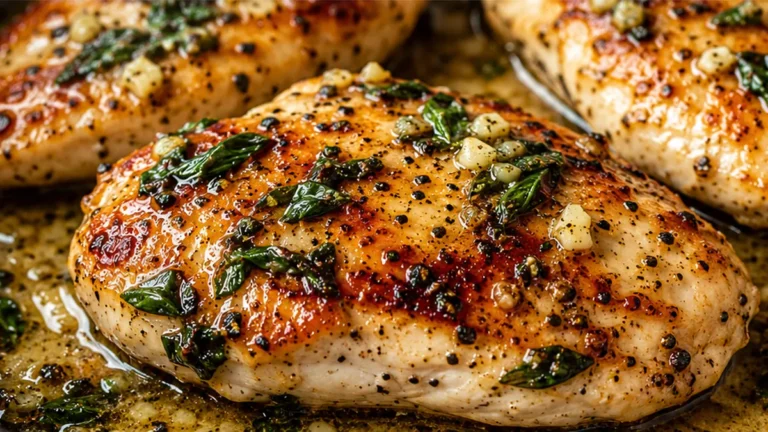
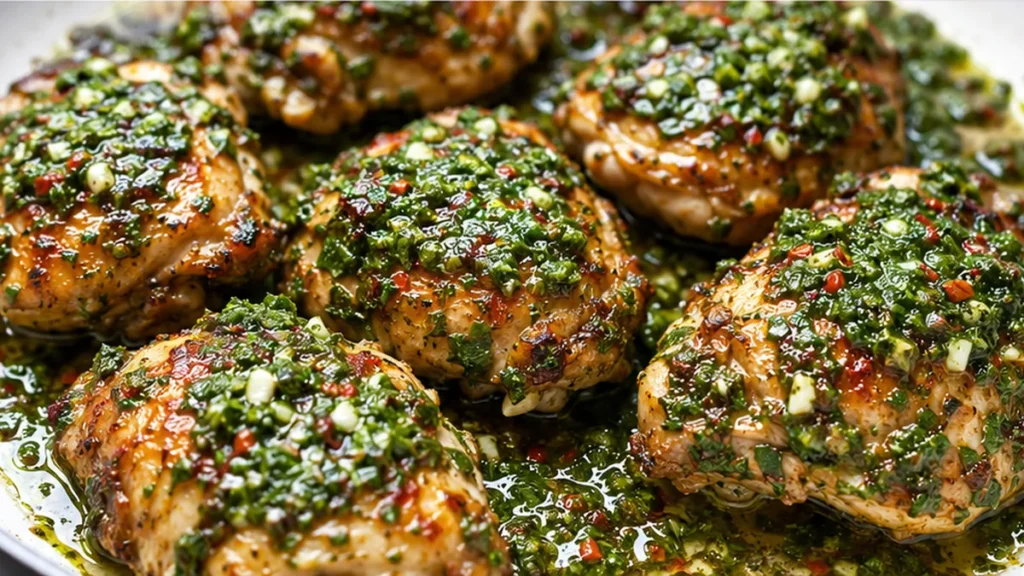
Improve your grilling game with this Chimichurri Grilled Chicken recipe. Forget bland chicken breasts; this dish bursts with the bright, zesty flavors of a homemade chimichurri sauce, perfectly complementing juicy, crispy-skinned chicken thighs. It’s a simple yet impressive meal that brings a taste of bright Latin American cuisine straight to your backyard. This chimichurri chicken recipe is designed for maximum flavor with minimal effort. The key is the fresh, herbaceous sauce made from parsley, cilantro, garlic, and tangy red wine vinegar, which infuses the chicken as it grills, creating a dish that’s both healthy and incredibly satisfying.
Key takeaways
- Use fresh herbs for the chimichurri to enhance flavor.
- Bone-in, skin-on chicken thighs retain moisture and flavor.
- Marinate for no more than 2 hours to prevent mushiness.
- Rest the chicken post-cooking for juicier results.
Juicy Chimichurri Chicken!
Ingredients
- 1 cup Italian parsley (packed)
- ½ cup fresh cilantro (packed)
- ½ cup olive oil
- ¼ cup red wine vinegar
- 3 garlic cloves
- 1 tsp dried oregano
- ½ tsp ground cumin
- ¼ tsp crushed red pepper
- ½ tsp salt
- 4 chicken thighs (bone-in & skin-on)
Instructions
- Finely mince the parsley and cilantro leaves (discard stems). Mince the garlic cloves.
- In a small mixing bowl, combine the minced parsley, cilantro, olive oil, red wine vinegar, minced garlic, dried oregano, ground cumin, crushed red pepper, and salt.
- Stir everything together until well combined to create the chimichurri sauce.
- Prepare your grill for medium-high heat.
- Place the chicken thighs on the grill.
- Grill for about 25-35 minutes, flipping occasionally, until the chicken is cooked through and reaches an internal temperature of 165°F (74°C).
- Brush the chicken with chimichurri sauce during the last 5-10 minutes of grilling.
- Serve the grilled chicken hot with extra chimichurri sauce on the side.
Notes
How to Create a Perfect Chimichurri Sauce
The heart of chimichurri chicken lies in the sauce, which is an emulsion of fresh herbs, oil, and vinegar. To make a balanced chimichurri, combine 1 cup of packed Italian parsley and ½ cup of fresh cilantro with ½ cup of olive oil and ¼ cup of red wine vinegar. The ratio of oil to vinegar should be about 2:1 for a flavorful yet balanced dressing. Blend in 3 garlic cloves, 1 tsp of dried oregano, ½ tsp of ground cumin, ¼ tsp of crushed red pepper, and ½ tsp of salt. This mixture should be allowed to sit for at least 30 minutes to let the flavors meld, enhancing the overall taste.
Why Chicken Thighs Make a Difference
Using bone-in, skin-on chicken thighs is crucial for achieving juicy and flavorful results. The skin acts as a barrier, keeping moisture in during cooking, while the bone helps conduct heat evenly. Aim for a cooking temperature of 375°F (190°C) in the oven to achieve a crispy skin without drying out the meat. Cooking thighs for about 35-45 minutes ensures they reach an internal temperature of 165°F (74°C) while retaining their juiciness.
Common Mistakes and How to Avoid Them
- Over-marinating: Leaving chicken in the chimichurri for too long can lead to a mushy texture. Limit marination to 2 hours.
- Not using enough salt: Insufficient salt can result in bland chicken. Ensure to season both the chicken and the chimichurri adequately.
- Cooking at too high a temperature: This can cause the skin to burn before the chicken cooks through. Stick to the recommended 375°F (190°C).
- Skipping the resting period: Cutting into the chicken immediately after cooking can cause juices to escape. Let it rest for at least 5-10 minutes before serving.
Ingredient Swaps and Their Effects
- Cilantro substitution: If you dislike cilantro, substitute with more parsley for a milder flavor, though it will lose some of the characteristic zest.
- Red wine vinegar alternative: Apple cider vinegar can be used, providing a slightly sweeter taste but may alter the overall acidity balance.
- Olive oil replacement: Avocado oil can be a substitute, offering a higher smoke point, but it has a different flavor profile.
- Fresh garlic swap: Garlic powder can be used in a pinch, but it lacks the same robust flavor; use 1/2 tsp of garlic powder for each clove.
Unique Aspects of Chimichurri Chicken
This dish stands out due to the vibrant, herbaceous chimichurri sauce that not only serves as a marinade but also as a finishing sauce. Unlike many other marinades that are discarded, chimichurri is intended to be served alongside the chicken, enhancing each bite with its fresh flavors. This dual-use aspect is rare in most chicken recipes, making it a standout dish.
How to Prepare Chimichurri Chicken in Advance
Preparing chimichurri chicken ahead of time can enhance the flavors significantly. To do this, marinate the chicken in the chimichurri sauce for at least 2 hours, but ideally overnight. This allows the herbs and spices to penetrate the meat, resulting in a more robust flavor. Store the marinated chicken in an airtight container in the refrigerator. When ready to cook, remove it from the fridge and let it sit at room temperature for about 30 minutes before grilling or roasting. This helps in even cooking.
Scaling the Recipe for Larger Gatherings
If you need to serve a larger group, scaling the chimichurri chicken recipe is straightforward. For every additional four chicken thighs, increase the chimichurri ingredients proportionally. Maintain the same ratios: 1 cup parsley, ½ cup cilantro, ½ cup olive oil, and so forth. However, be mindful of your cooking space; you may need to cook in batches to ensure even cooking. Ensure that the chicken pieces are not overcrowded, as this can lead to steaming rather than browning.
Choosing the Right Equipment for Cooking
The equipment you choose can significantly affect the outcome of your chimichurri chicken. A cast-iron skillet or grill is ideal for achieving a good sear and crispy skin due to their heat retention properties. If using an oven, a roasting pan will help the chicken cook evenly. When grilling, ensure the grill grates are clean and preheated to around 400°F (204°C) to achieve the Maillard reaction, which creates that desirable crust. Using a meat thermometer can also help you achieve the perfect doneness; aim for an internal temperature of 165°F (74°C).
Pairing Suggestions for Chimichurri Chicken
Chimichurri chicken pairs beautifully with a variety of sides. For a classic Argentinian meal, serve it with grilled vegetables, such as zucchini and bell peppers, or a fresh salad with citrus dressing. If you’re looking for something heartier, consider pairing it with rice or quinoa, which can absorb the flavorful juices. A light, crisp white wine like Sauvignon Blanc complements the freshness of the chimichurri, while a red like Malbec enhances the grilled flavors of the chicken.
Understanding the Impact of Ingredient Quality on Chimichurri Chicken
The quality of ingredients significantly influences the final taste of chimichurri chicken. Fresh herbs, such as parsley and cilantro, should be vibrant and aromatic. Dried spices should be fresh, as older spices lose potency. For the chicken, using bone-in, skin-on thighs ensures moisture retention and flavor during cooking. The fat from the skin renders down, creating a rich base for the chimichurri marinade. When selecting olive oil, opt for extra virgin for its robust flavor, while red wine vinegar should be of good quality to provide the necessary acidity. The balance between fresh and dried ingredients is crucial; for instance, using too much dried oregano could overpower the fresh herbs. Aim for a harmonious blend to enhance the chicken’s flavor.
How to Properly Store and Reheat Chimichurri Chicken
Storing chimichurri chicken requires attention to maintain its juiciness and flavor. After cooking, allow the chicken to cool to room temperature before transferring it to an airtight container. It can be stored in the refrigerator for up to 4 days. For longer storage, consider freezing the cooked chicken, which can last up to 3 months. When reheating, avoid high temperatures that can dry out the chicken; instead, use a low oven (around 300°F or 150°C) until warmed through. If reheating from frozen, thaw in the refrigerator overnight before reheating. For the chimichurri sauce, it can be made ahead and stored in the refrigerator for up to a week, but the fresh herbs may lose some vibrancy. To revive its flavor, consider adding a splash of olive oil or vinegar before serving.
Scaling Chimichurri Chicken for Larger Gatherings
Scaling the chimichurri chicken recipe for larger gatherings is straightforward but requires careful attention to cooking times and seasoning. When doubling or tripling the recipe, maintain the same ratios of chimichurri ingredients to ensure consistent flavor. However, cooking times may vary; larger batches may require additional time in the oven to ensure even cooking. Use a meat thermometer to check for doneness; the internal temperature should reach 165°F (75°C). Additionally, when scaling, consider using multiple baking sheets or pans to avoid overcrowding, which can lead to uneven cooking. If preparing for a crowd, consider marinating the chicken overnight for deeper flavor absorption. Adjust the chimichurri sauce quantity accordingly, and serve it in a large bowl for guests to self-serve, ensuring everyone enjoys the vibrant flavors.
Understanding the Drying Out of Chicken Thighs
One common issue when preparing chimichurri chicken is the risk of chicken thighs becoming dry during cooking. This can occur if the internal temperature exceeds 175°F (79°C). To avoid this, use a meat thermometer to check the internal temperature, removing the chicken from heat when it reaches around 165°F (74°C) and allowing it to rest for 5-10 minutes. This resting period helps redistribute juices, ensuring moist and flavorful chicken. Additionally, marinating the chicken in chimichurri for at least 30 minutes before cooking helps enhance moisture retention due to the acidic nature of the vinegar, which can help break down proteins and tenderize the meat.
The Importance of Fresh Ingredients in Chimichurri Chicken
Fresh ingredients play a crucial role in the flavor profile of chimichurri chicken. Using fresh herbs like parsley and cilantro not only enhances the dish’s aroma but also contributes to its vibrant taste. Dried herbs can be used in a pinch, but they lack the essential oils that fresh herbs provide, resulting in a less aromatic and flavorful chimichurri. When selecting fresh herbs, look for bright green leaves without any wilting or browning. Also, consider the quality of the olive oil; a high-quality extra virgin olive oil will impart a richer flavor compared to a lower-grade oil. This attention to ingredient quality elevates the dish, making it stand out from other grilled chicken recipes.
Pro tips
- Use fresh herbs for the best flavor. If you can’t find fresh, dried will work but the taste will be less bright.
- Don’t skip grilling the chicken with the skin on; it gets wonderfully crispy and helps keep the meat moist.
- For extra flavor, marinate the chicken in half the chimichurri sauce for at least 30 minutes before grilling.
- Ensure your grill is clean to prevent sticking and achieve nice grill marks.
Enjoy this flavorful and easy Chimichurri Grilled Chicken for a delicious meal that’s sure to become a regular favorite. Bon appétit!
Frequently asked questions
How long should I marinate the chicken in chimichurri?
Marinate the chicken for up to 2 hours. This allows the flavors to penetrate without compromising the texture of the meat.
Can I use chicken breasts instead of thighs?
While you can use chicken breasts, thighs are recommended for their juiciness and flavor. If using breasts, monitor cooking time closely to prevent drying out.
What can I serve with chimichurri chicken?
Chimichurri chicken pairs well with grilled vegetables, rice, or a fresh salad. The vibrant flavors complement a variety of side dishes.
How do I store leftover chimichurri chicken?
Store leftover chimichurri chicken in an airtight container in the refrigerator for up to 3 days. Reheat gently to preserve moisture and flavor.
More from High-Protein Dinners →