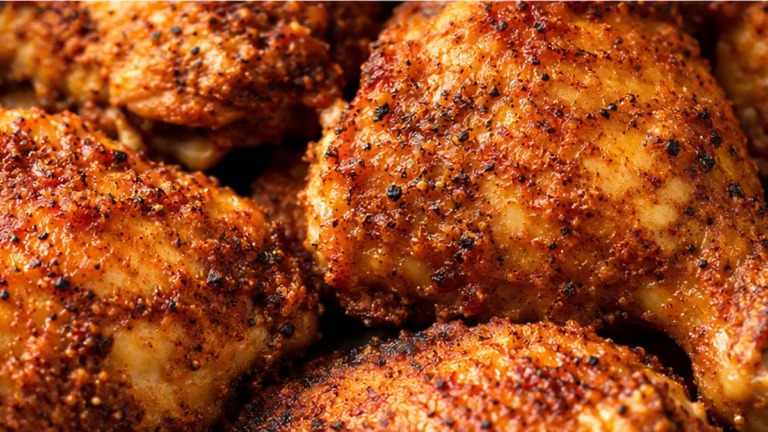
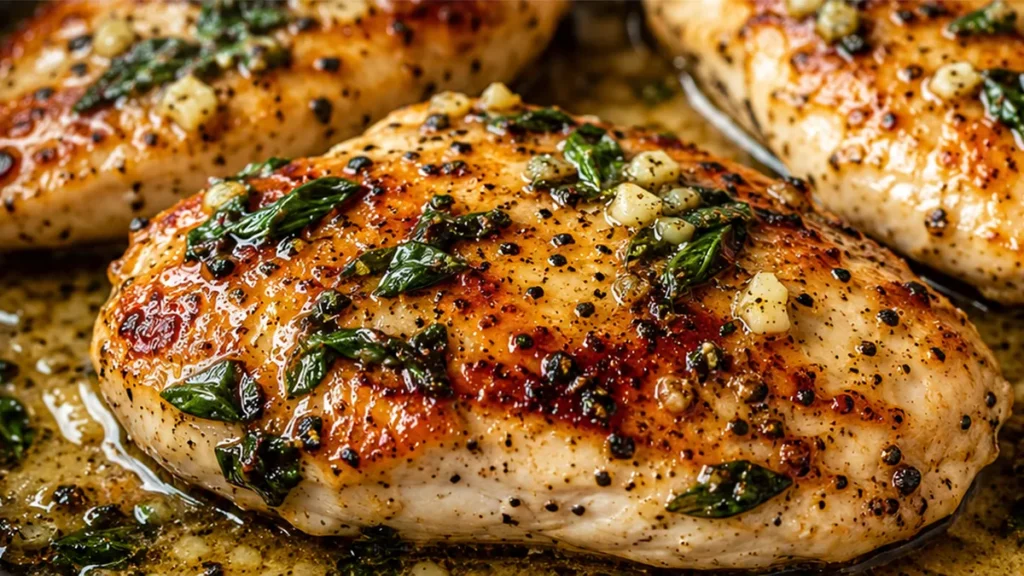
Roasted chicken can be truly succulent when prepared with patience and a flavorful butter blend. This recipe focuses on a low-and-slow roasting method combined with a rich herb and garlic butter, ensuring every bite is moist and packed with flavor. Perfect for home cooks seeking a reliable, delicious main course without fuss.
Key takeaways
- Proper seasoning is key for flavor and moisture retention.
- Butter is essential for achieving crispy skin through the Maillard reaction.
- Cooking at 425°F ensures juiciness while crisping the skin.
- Allowing the chicken to rest after roasting redistributes juices for enhanced moisture.
Juiciest Roasted Chicken!
Ingredients
- 2 split chicken breasts (bone-in & skin-on, about 2 lbs total)
- 3 tbsp butter (room temperature)
- 2 garlic cloves (minced)
- 1 tsp dried basil
- 1 tsp dried thyme
- 1 tsp dried rosemary (chopped or crumbled)
- ½ tsp salt
- ½ tsp black pepper (freshly cracked)
Instructions
- Prep: Preheat oven to 275°F. Allow chicken to temper at room temp for 5-10 mins.
- Mix: Combine softened butter, minced garlic, dried basil, thyme, rosemary, salt, and pepper in a small bowl.
- Rub: Pat chicken breasts completely dry with paper towels. Generously smear the herb butter mixture over both sides of the chicken.
- Roast: Place chicken in a deep casserole dish. Cover tightly with foil or a lid. Bake for 90 minutes, basting once halfway through.
Video
Notes
How Proper Seasoning Enhances Roasted Chicken
Seasoning is crucial for flavor development in roasted chicken. The combination of salt, pepper, and herbs like basil, thyme, and rosemary not only adds taste but also aids in moisture retention. Salt helps to draw out moisture initially but will ultimately create a brining effect, allowing the chicken to stay juicy. Aim for about 1/2 tsp of salt per pound of meat for optimal flavor.
The Importance of Butter for Crispy Skin
Butter plays a vital role in achieving that coveted crispy skin on roasted chicken. The fat in butter helps to conduct heat evenly and promotes browning through the Maillard reaction. For this recipe, using 3 tablespoons of room temperature butter allows for easy application, ensuring an even coating. This technique results in a beautifully golden and crispy exterior.
Understanding Cooking Temperatures for Juiciness
Cooking chicken at the right temperature is essential for juiciness. The ideal internal temperature for cooked chicken is 165°F (74°C). To achieve this, preheat your oven to 425°F (220°C). This high temperature will help seal in juices quickly while allowing the skin to crisp up. Use a meat thermometer to ensure accuracy.
Common Mistakes Leading to Dry Chicken
One common mistake is overcooking the chicken, which can lead to dryness. If the chicken is cooked beyond 165°F (74°C), the proteins will tighten excessively, resulting in a tough texture. To avoid this, monitor the internal temperature closely and remove the chicken from the oven as soon as it reaches the target temperature. Another issue is neglecting to let the chicken rest post-roasting, which allows the juices to redistribute, enhancing moistness.
Unique Attributes of This Roasted Chicken Recipe
This roasted chicken recipe stands out due to the use of split chicken breasts, which provide a balance of dark and white meat. The bone-in and skin-on configuration not only enhances flavor but also retains moisture during cooking. Unlike other methods that may use whole birds or boneless cuts, this approach ensures maximum juiciness and flavor while being easier to handle and serve.
How to Make Roasted Chicken Ahead of Time
Preparing roasted chicken in advance can save you time and effort on busy days. To make it ahead, season the chicken breasts as directed and place them in a covered dish in the refrigerator for up to 24 hours before roasting. This allows the flavors to penetrate the meat more deeply. When ready to cook, take the chicken out of the fridge and let it sit at room temperature for about 30 minutes to ensure even cooking. Roasting time will remain the same, but you may need to check the internal temperature to ensure doneness.
Scaling the Recipe for Larger Gatherings
This roasted chicken recipe can easily be scaled to serve more people. For each additional pound of chicken, increase the seasoning proportionally. If cooking more than two split chicken breasts, ensure your roasting pan is large enough to allow for proper air circulation around each piece. Generally, a 4-5 pound whole chicken can also be substituted, increasing the roasting time to about 1 hour and 15 minutes at 375°F (190°C). Always use a meat thermometer to check that the internal temperature reaches 165°F (74°C).
Choosing the Right Equipment for Perfect Roasted Chicken
The type of roasting pan you use can significantly affect the outcome of your roasted chicken. A heavy-duty, shallow roasting pan promotes even cooking and browning due to better heat conduction. Avoid using a deep pan, as it may trap steam and prevent the skin from becoming crispy. If using a rack, ensure it fits well within the pan to elevate the chicken, allowing air to circulate. Additionally, consider using a digital meat thermometer for precise temperature monitoring, taking the guesswork out of doneness.
How Seasonal Ingredients Impact Roasted Chicken Flavor
The quality and freshness of ingredients can greatly influence the flavor of your roasted chicken. Seasonal herbs like fresh basil, thyme, or rosemary can enhance the dish’s aroma and taste. In winter, using robust flavors such as smoked paprika or citrus zest can elevate the dish, while in summer, fresh herbs and lemon juice can provide brightness. Always opt for high-quality chicken; organic or pasture-raised options often yield a more flavorful and juicier result, making your roasted chicken stand out.
Understanding the Impact of Ingredient Quality on Roasted Chicken
The quality of ingredients directly affects the flavor and texture of roasted chicken. Fresh, high-quality chicken breasts will have a firmer texture and more pronounced flavor compared to older or frozen options. Look for chicken that is pinkish in color with minimal blemishes. Additionally, fresh herbs such as basil, thyme, and rosemary will provide a more vibrant flavor than their dried counterparts. The oils and aromatic compounds in fresh herbs are more potent, enhancing the overall taste of the dish. When using butter, opt for unsalted, high-fat content varieties, as they contribute to a richer flavor and better browning.
How to Scale the Recipe for Larger Gatherings
Scaling this roasted chicken recipe for larger gatherings requires some adjustments to ensure even cooking and flavor distribution. For every additional split chicken breast (about 1 lb), increase the butter by 1.5 tablespoons and adjust the herbs accordingly, maintaining the same ratios. Ensure that the roasting pan is large enough to accommodate the additional chicken without overcrowding, which can lead to uneven cooking. A larger batch may require an increase in cooking time; use a meat thermometer to ensure that the internal temperature reaches 165°F (74°C). Allow for about 20-30 minutes of additional roasting time for every extra pound of chicken added.
Serving Suggestions and Pairing for Roasted Chicken
When serving roasted chicken, consider complementary side dishes that enhance the meal. Roasted vegetables, such as carrots, potatoes, or Brussels sprouts, can be cooked alongside the chicken to absorb its flavors. A light salad with a citrus vinaigrette can provide a refreshing contrast to the rich, buttery chicken. Pairing the dish with a crisp white wine, like Sauvignon Blanc or Chardonnay, can elevate the dining experience, balancing the savory notes of the chicken. Additionally, consider garnishing with fresh herbs or a squeeze of lemon to brighten the dish just before serving.
Understanding the Importance of Resting Roasted Chicken
Resting is a crucial step that significantly impacts the juiciness of roasted chicken. When the chicken is removed from the oven, the juices inside are still in motion. Allowing the chicken to rest for 10 to 15 minutes before carving enables these juices to redistribute throughout the meat. This process prevents the juices from spilling out when the chicken is cut, ensuring each slice is moist and flavorful. During this time, the internal temperature will also rise slightly, enhancing doneness without overcooking. For optimal results, cover the chicken loosely with aluminum foil to retain warmth while allowing some air circulation.
Scaling the Recipe for Larger Batches of Roasted Chicken
When scaling this roasted chicken recipe for larger gatherings, it’s essential to consider both cooking time and temperature adjustments. For each additional chicken breast, maintain the same seasoning ratios but increase the cooking time by approximately 15 to 20 minutes for every additional pound of chicken. Use a meat thermometer to ensure that the internal temperature reaches at least 165°F (74°C) for safe consumption. Additionally, ensure there is enough space in your roasting pan to allow for even air circulation, which is key to achieving that crispy skin. If cooking multiple breasts at once, consider using a convection oven if available, as it promotes even cooking through better air circulation.
Understanding the Impact of Cooking Time on Roasted Chicken
Cooking time is crucial for achieving the juiciest roasted chicken. For split chicken breasts weighing about 2 lbs, aim for a cooking time of approximately 25-30 minutes at 425°F (220°C). This high temperature promotes the Maillard reaction, creating a crispy skin while retaining moisture inside. Use a meat thermometer to ensure the internal temperature reaches 165°F (75°C). Overcooking can lead to dry meat; therefore, monitoring the time closely is essential. Additionally, allowing the chicken to rest for at least 10 minutes after roasting helps redistribute the juices, resulting in a more succulent texture.
Choosing the Right Herbs and Their Influence on Flavor
The choice of herbs significantly impacts the flavor profile of roasted chicken. In this recipe, using dried basil, thyme, and rosemary not only enhances the aroma but also complements the richness of the chicken. Each herb brings a unique characteristic; for example, thyme offers a subtle earthiness, while rosemary adds a pine-like flavor. If fresh herbs are available, they can be substituted at a ratio of 3:1 (fresh to dried). However, fresh herbs provide a brighter flavor and should be added later in the cooking process to avoid losing their potency. Experimenting with different herb combinations can yield unique flavors tailored to seasonal ingredients or personal preferences.
Pro tips
- Patting the chicken very dry is key for the butter to adhere properly.
- Use fresh herbs if available, finely chopped, for an even more bright, fresh flavor. Substitute 1 tsp fresh for 1/3 tsp dried.
- Ensure the casserole dish is deep enough to prevent butter from bubbling over.
Enjoy these incredibly moist and flavorful roasted chicken breasts. Serve with your favorite sides for a complete, satisfying meal.
Frequently asked questions
Why is my roasted chicken skin not crispy?
If your chicken skin isn’t crispy, it may not have enough fat or moisture was not removed before cooking. Ensure to apply ample butter and pat the skin dry with paper towels before roasting.
How do I know when my chicken is fully cooked?
The best way to check for doneness is to use a meat thermometer. The internal temperature should reach 165°F (74°C) in the thickest part of the meat without touching the bone.
Can I use other herbs instead of basil, thyme, and rosemary?
Yes, you can substitute with herbs like oregano or sage. However, keep in mind that the flavor profile will change, with oregano providing a more robust flavor and sage offering a slightly earthy taste.
Why is resting the chicken important?
Resting the chicken is crucial as it allows the juices to redistribute throughout the meat. If you cut into the chicken immediately after roasting, the juices will run out, leading to a drier result.
More from High-Protein Dinners →