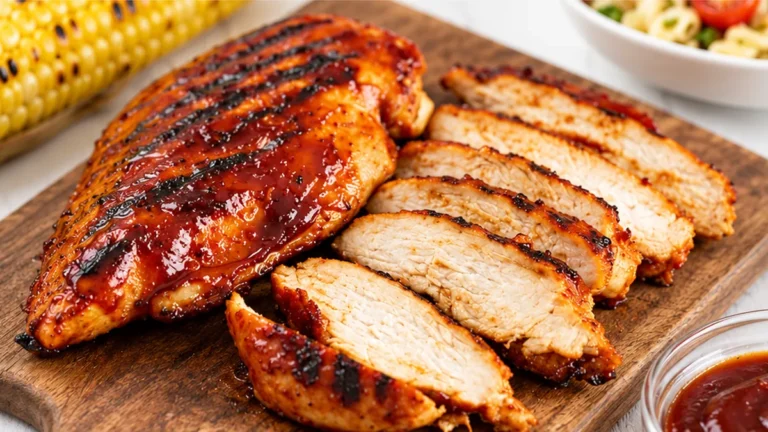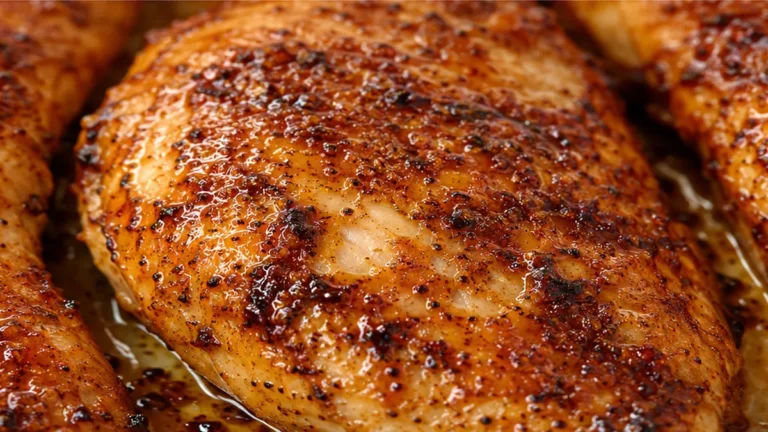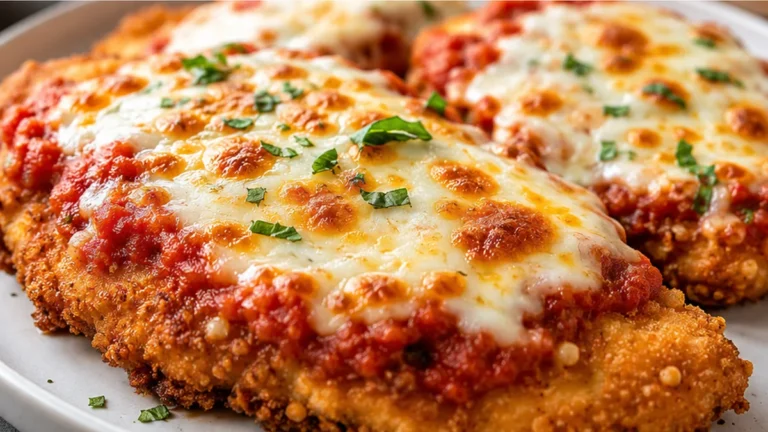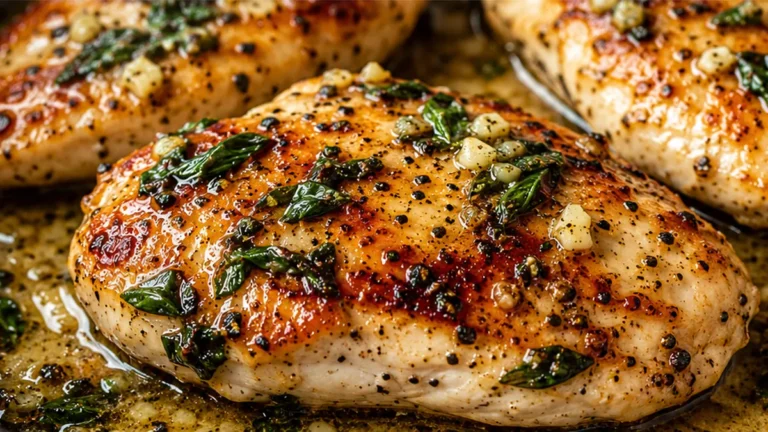
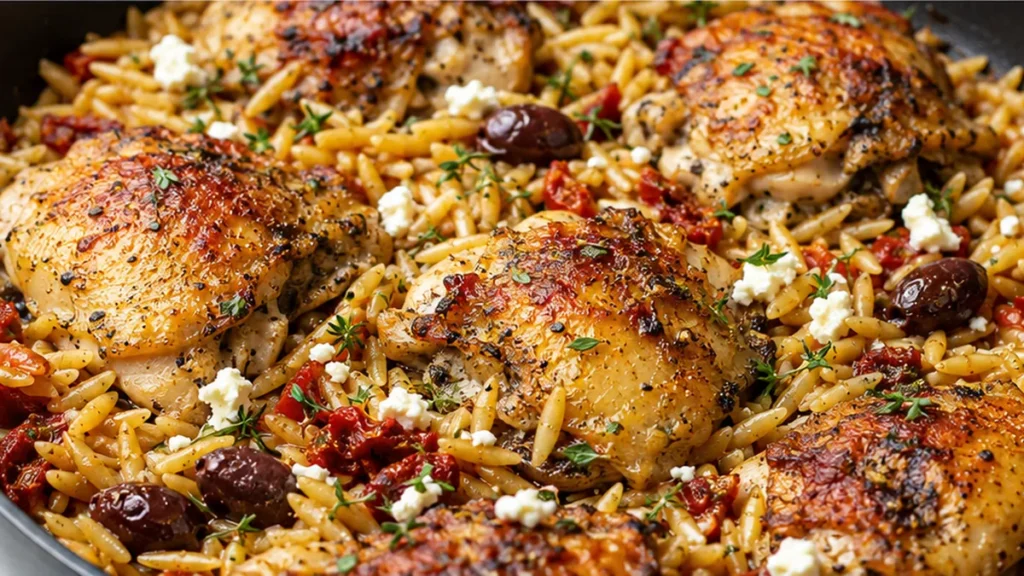
This Greek chicken and orzo recipe is a flavor-packed, one-pan wonder that proves weeknight dinners can be both simple and spectacular. Forget complicated steps; this dish brings together tender, seasoned chicken thighs and perfectly cooked orzo pasta infused with classic Mediterranean herbs and spices. It’s designed for busy cooks who crave a delicious, hearty meal without the fuss. What makes this Greek chicken orzo stand out is its simplicity and depth of flavor. By cooking everything together in a single skillet, the pasta absorbs all the savory juices from the chicken and aromatics, creating a cohesive and incredibly satisfying dish. This is comfort food with a Mediterranean twist, ideal for anyone looking for a reliable and delicious meal solution.
Key takeaways
- Layer spices for maximum flavor impact.
- Cook chicken thighs to 165°F for tenderness.
- Use a 2:1 liquid-to-orzo ratio for perfect texture.
- Monitor cooking times to avoid dryness or mushiness.
Greek Chicken & Orzo – Easy One-Pan Meal
Ingredients
- 1 tsp paprika
- ½ tsp dried thyme
- ½ tsp garlic powder
- 1 ½ tsp dried oregano, divided
- 1 tsp salt, divided
- ½ tsp freshly cracked black pepper, divided
- 4 boneless, skinless chicken thighs (about 1.3 lbs.)
- 1 tbsp olive oil
- 1 tbsp butter
- 1 small yellow onion, diced
Instructions
- In a small bowl, combine the paprika, dried thyme, garlic powder, 1 tsp dried oregano, ¾ tsp salt, and ¼ tsp black pepper.
- Blot the chicken thighs dry with a paper towel, then season both sides liberally with the seasoning blend.
- Heat the olive oil and butter in a large deep skillet over medium heat. Once hot, add the chicken and cook for about 5 minutes per side until golden brown.
- Remove the chicken from the skillet and transfer to a clean plate. Cover with aluminum foil to keep warm.
- In the same skillet, add the diced onion and sauté for 3-4 minutes until translucent.
- Stir in the remaining ½ tsp dried oregano, ¼ tsp salt, and ¼ tsp black pepper.
- Add 1.5 cups of orzo pasta to the skillet and stir to coat with the pan drippings.
- Pour in 2.5 cups of chicken broth and bring to a simmer.
Notes
Understanding the Spice Blend for Greek Chicken
The flavor profile of Greek chicken is largely determined by the spice blend used. In this recipe, a combination of paprika, thyme, garlic powder, oregano, salt, and black pepper creates a balanced seasoning. The paprika adds a subtle smokiness, while oregano contributes a distinct Mediterranean flavor. The key is to use 1 ½ teaspoons of oregano, divided, to ensure the chicken is well-seasoned both before and during cooking. This layering of spices enhances the overall taste and aroma of the dish.
Importance of Cooking Chicken Thighs Correctly
Chicken thighs are favored in this recipe for their juiciness and rich flavor. They contain more fat than chicken breasts, which helps retain moisture during cooking. It’s crucial to cook the thighs at a medium heat to achieve the Maillard reaction, which creates a beautiful golden-brown crust. Aim for an internal temperature of 165°F (74°C) and allow the chicken to rest for 5 minutes after cooking. This resting period allows the juices to redistribute, resulting in tender, flavorful chicken.
Perfecting the Orzo Cooking Technique
Orzo is a type of pasta that cooks quickly and absorbs flavors well. In this recipe, it’s cooked in the same pan as the chicken, allowing it to soak up the juices and spices. To achieve the best texture, cook the orzo in a liquid-to-pasta ratio of 2:1. If using broth instead of water, it will enhance the flavor further. Stir the orzo occasionally to prevent it from sticking and ensure even cooking. The total cooking time should be around 10-12 minutes, or until al dente.
Common Issues with One-Pan Meals and Solutions
- Issue: Chicken is dry.
- Cause: Overcooking the chicken can lead to dryness. Ensure you monitor the internal temperature closely.
- Fix: Use a meat thermometer to check for doneness and remove from heat at 165°F (74°C).
- Issue: Orzo is mushy.
- Cause: Cooking the orzo too long or using too much liquid can cause it to become mushy.
- Fix: Stick to the 2:1 liquid ratio and check the orzo at the 10-minute mark.
- Issue: Lack of flavor.
- Cause: Insufficient seasoning or not using enough herbs.
- Fix: Ensure you evenly distribute the spices and taste before serving to adjust seasoning.
- Issue: Ingredients stick to the pan.
- Cause: Not enough fat in the pan or cooking at too high of a temperature.
- Fix: Use both olive oil and butter, and keep the heat at medium to prevent sticking.
How to Properly Store Leftovers for Greek Chicken and Orzo
Storing leftovers from your Greek Chicken & Orzo is straightforward. Allow the dish to cool to room temperature before transferring it to an airtight container. It can be refrigerated for up to 3-4 days. For longer storage, consider freezing the dish. When freezing, ensure the meal is well-sealed to prevent freezer burn, which can compromise flavor and texture. When ready to eat, thaw overnight in the refrigerator and reheat gently on the stove or in the microwave, adding a splash of broth or water to maintain moisture.
How to Scale the Recipe Without Compromising Flavor
Scaling the Greek Chicken & Orzo recipe is easy, but maintaining flavor balance is key. For every additional chicken thigh (approximately 0.35 lbs), increase the spices proportionately. For example, if you add two thighs, increase the paprika, thyme, garlic powder, oregano, salt, and pepper by 1.5 times. This ensures that the depth of flavor remains consistent. Also, consider using a larger pan to allow even cooking and prevent overcrowding, which can lead to steaming instead of browning.
Choosing the Right Equipment for Optimal Results
The choice of equipment can significantly affect the outcome of your Greek Chicken & Orzo. A heavy-bottomed skillet or Dutch oven is ideal as it distributes heat evenly, promoting proper browning of the chicken and preventing sticking. Non-stick pans might be tempting, but they can sometimes lead to less browning and flavor development. Additionally, using a lid can help trap steam and moisture, ensuring the orzo cooks perfectly while keeping the chicken juicy.
How Seasonal Ingredients Impact the Dish’s Flavor
Using seasonal ingredients can elevate the flavors of your Greek Chicken & Orzo. Fresh herbs like oregano and thyme, when in season, have a more vibrant flavor compared to dried. Similarly, seasonal vegetables such as zucchini or bell peppers can be added for extra nutrition and flavor. The quality of chicken is also crucial; sourcing from local farms can provide fresher, more flavorful meat. Adjusting the dish based on the season not only enhances taste but also supports local agriculture.
How to Prepare Greek Chicken & Orzo in Advance
Making Greek Chicken & Orzo ahead of time can save you significant effort during busy weeknights. To prep, season the chicken thighs with the spice blend and marinate for at least 30 minutes or up to 24 hours in the refrigerator. This allows the flavors to penetrate the meat. You can also cook the orzo separately and store it in an airtight container. When ready to serve, simply reheat the chicken in a skillet over medium heat until warmed through, and add the orzo to the pan to combine. Be mindful that the orzo may absorb some moisture, so adding a splash of chicken broth or water while reheating can help maintain its texture.
Understanding Equipment Variations for Optimal Results
The choice of cooking equipment can significantly affect the outcome of your Greek Chicken & Orzo. A heavy-bottomed skillet or sauté pan is ideal, as it distributes heat evenly, ensuring the chicken sears properly for the Maillard reaction, which enhances flavor. Non-stick pans are convenient but may not achieve the same depth of flavor. If using a stainless-steel pan, ensure it’s adequately preheated and oiled to prevent sticking. Additionally, if you opt for a cast-iron skillet, it retains heat well but requires a bit more care to avoid sticking. Keep in mind that cooking times may vary slightly depending on the material of your pan.
Pairing Suggestions for Greek Chicken & Orzo
This dish pairs wonderfully with a variety of sides and accompaniments. A fresh Greek salad, made with tomatoes, cucumbers, olives, and feta, complements the flavors of the chicken and orzo beautifully. For a heartier option, consider serving with roasted vegetables or a side of tzatziki sauce for added creaminess and tang. If you’re looking to enhance the Mediterranean experience, a glass of chilled white wine, such as a Sauvignon Blanc or a light-bodied red, can elevate the meal. The acidity in the wine balances the richness of the chicken and the buttery notes of the orzo.
Why the choice of chicken thighs impacts flavor and texture
Using boneless, skinless chicken thighs instead of chicken breasts is crucial for achieving a moist and flavorful Greek chicken and orzo dish. Chicken thighs contain more fat, which helps retain moisture during cooking. This is particularly important in a one-pan meal where the chicken cooks alongside the orzo, allowing the flavors to meld. Cooking thighs at a temperature of 375°F (190°C) for about 25-30 minutes ensures they are cooked through while remaining juicy. In contrast, chicken breasts can dry out if overcooked, making thighs the superior choice for this recipe.
Understanding how to adjust cooking times for larger batches
When scaling the recipe for Greek chicken and orzo, it’s essential to adjust the cooking time appropriately. If you double the recipe, for example, the cooking time may increase by about 5-10 minutes, depending on the thickness of the chicken thighs and the size of your pan. Ensure that the internal temperature of the chicken reaches 165°F (74°C) for safe consumption. Additionally, if cooking in a larger pan, the orzo may require a bit more liquid, so monitor the consistency and add broth or water as needed to avoid undercooked pasta.
Understanding the Impact of Ingredient Quality on Flavor
The flavor profile of Greek Chicken & Orzo is heavily influenced by the quality of the ingredients used. Fresh herbs like oregano and thyme contribute aromatic depth, while high-quality olive oil adds richness. For the best results, opt for fresh chicken thighs rather than frozen; fresh meat has better texture and flavor. Additionally, using homemade or high-quality chicken broth instead of water for cooking the orzo enhances the dish’s overall taste. The Maillard reaction, which occurs when the chicken is seared, creates a complex flavor base. Cooking the chicken thighs until they reach an internal temperature of 165°F (74°C) ensures they are both safe to eat and flavorful. This temperature allows for proper fat rendering, which is crucial for the dish’s juiciness.
How to Effectively Scale Your Greek Chicken & Orzo Recipe
Scaling recipes can be tricky, especially with one-pan meals like Greek Chicken & Orzo. When increasing the batch size, maintain the same ratios of spices and ingredients to ensure flavor consistency. However, be mindful of cooking times; larger quantities may require additional time to cook through. For example, if doubling the recipe, consider adding an extra 5-10 minutes to the cooking time, checking the chicken’s internal temperature to ensure it reaches 165°F (74°C). Additionally, using a larger pan can help distribute heat evenly, preventing uneven cooking. If scaling down, you can still maintain flavor by using the same amount of spices, but adjust the liquid to ensure the orzo cooks properly without becoming mushy. Remember, the key to a successful scaled recipe lies in monitoring both time and temperature closely.
Pro tips
- Use chicken thighs for maximum flavor and tenderness; they stay moist even when cooked through.
- Don’t skip drying the chicken thighs; it helps them achieve a beautiful golden-brown sear.
- Reserve the orzo cooking liquid if needed to prevent it from becoming too dry.
- Garnish with fresh parsley or dill for an extra pop of freshness.
Enjoy this simple yet incredibly flavorful Greek chicken orzo tonight. It’s a guaranteed hit that will become a regular in your meal rotation.
Frequently asked questions
What can I use instead of chicken thighs?
You can substitute chicken breasts, but be cautious as they may dry out more quickly. Adjust cooking time to ensure they remain juicy.
Can I add vegetables to this dish?
Yes, adding vegetables such as spinach or bell peppers can enhance the dish. Add them in the last few minutes of cooking to keep them vibrant and tender.
How can I make this dish spicier?
To increase the heat, consider adding a pinch of red pepper flakes or cayenne pepper to the spice mix. Adjust according to your heat preference.
Is it possible to prepare this dish ahead of time?
Yes, you can prepare the chicken and spice blend in advance. Store them separately in the refrigerator and cook the dish fresh when ready to serve for optimal flavor and texture.
More from High-Protein Dinners →