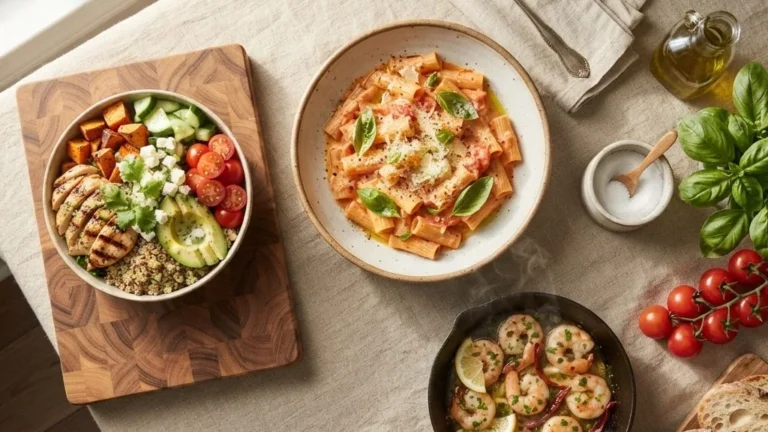

Ground chicken recipes fail for one boring reason: the meat hits the pan cold, cooks fast, and turns to sawdust before anyone gets a fork in it. The lean texture that makes it a smart swap for beef is the same trait that punishes you if you cook it like beef. Get the moisture and the seasoning sorted and it becomes the most flexible protein in a broke kitchen: meatballs on Monday, tacos on Tuesday, a stir-fry bowl that reheats better than the night you made it. That same lean profile also means the meat soaks up sauce and spice faster than fattier ground beef, since there is less grease standing between the seasoning and the meat itself.
This guide covers the full range of ground chicken recipes people search for, not just one style. That means easy weeknight ideas, quick dinners finished in thirty minutes or less, healthy and high-protein plates built for meal prep, family-friendly meals that will not get sent back to the kitchen, and low-carb versions that skip the bun and the rice. You will also find skillet meals, rice bowls, tacos and wraps, burgers, meatballs, soups and stews, casseroles, pasta dishes, and stir-fries, plus both Asian-inspired and Mediterranean-style seasoning directions, all built on the same base pound of meat.
Below you get the recipes people actually cook plus the handling rules that keep them safe and juicy. Everything about temperature, timing, and storage comes from the same food-safety bodies that write the rules for restaurants. Along the way you also get direct comparisons against ground turkey and ground beef, a batch-cook plan for meal prep, and enough seasoning pairings to turn one plain pound of meat into a dozen different dinners.
Quick answer: Ground chicken recipes work best when you keep the meat cold until it hits a hot pan, season it hard, and pull it the moment it reaches 165 degrees Fahrenheit (74 degrees Celsius), the safe minimum internal temperature for all ground poultry set by the Food Safety and Inspection Service. Great starters are meatballs, lettuce wraps, tacos, burgers, and skillet bowls. Add a little fat or moisture, salt early, and refrigerate leftovers within 2 hours so a cheap pound of meat feeds you twice, sometimes three times if you split the batch across a taco night, a bowl night, and a freezer stash for later.
How to use ground chicken in recipes without a dry, crumbly mess
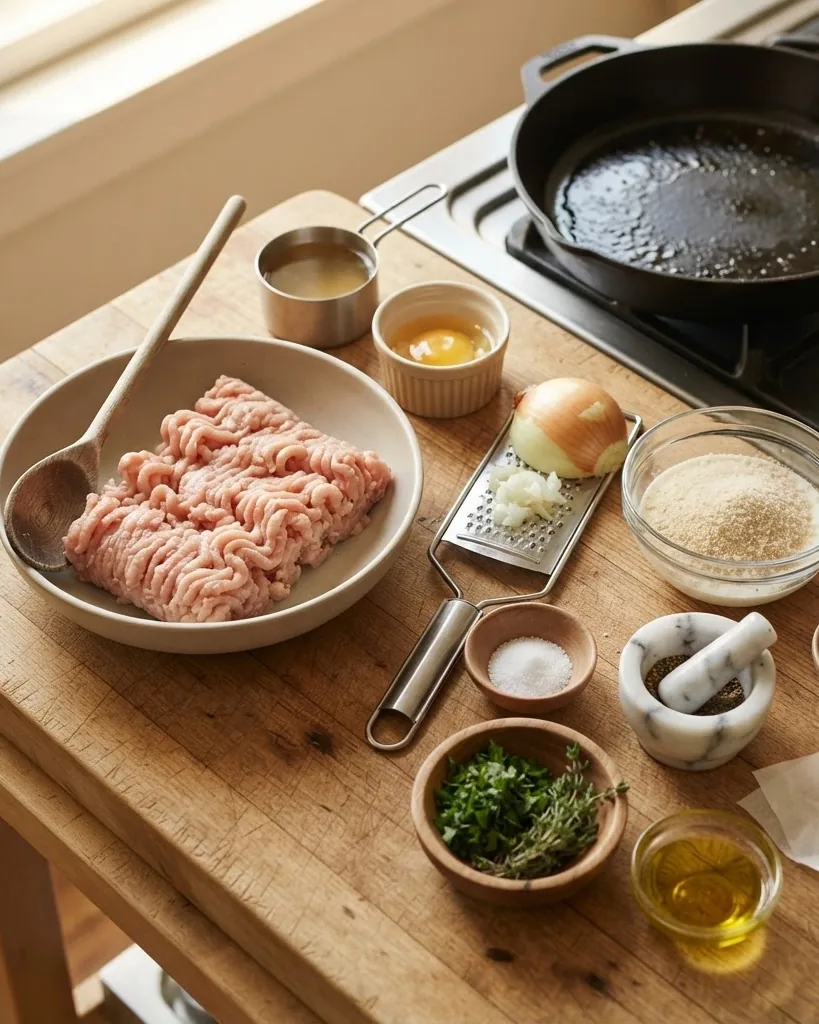
How to use ground chicken in recipes comes down to three habits: keep it cold, add moisture, and stop cooking at the right number. Ground poultry loses water fast because it is lean, so treat it gently. Salt the raw meat a few minutes before it cooks to help it hold juice. Mix in a binder or a fat source. Then cook it to exactly 165 degrees Fahrenheit (74 degrees Celsius), the safe minimum internal temperature the Food Safety and Inspection Service lists for all ground poultry, and no further. Overshooting that number by even a couple minutes is what turns a good pan into a dry one.
Simple ways to add back moisture before cooking:
- A splash of olive oil or a spoon of yogurt worked into the raw mix.
- Grated onion, which releases water slowly as it cooks.
- An egg plus breadcrumbs when you are shaping meatballs or burgers.
- A little soy sauce or broth stirred in for skillet and stir-fry dishes.
Season with intent. Ground chicken is mild, so it takes on whatever you give it, for better or worse if you go light on spice. If you want the browned, savory crust you get from beef, spread the meat thin across the pan, leave it alone for a minute, then break it up with a spatula. Salting the surface right before it hits the heat, rather than mixing it in ahead of time for loose skillet meat, helps that crust form instead of steaming the meat in its own released liquid.
How to brown ground chicken properly
Browning ground chicken well is mostly about heat and patience, not extra ingredients. Preheat the pan on medium-high until a drop of water skitters across the surface, add a thin coat of oil, then add the meat in a single layer instead of a heaped pile. Resist the urge to stir for 60 to 90 seconds so the bottom layer sears rather than steams. Once you see color forming at the edges, break the meat into smaller pieces and keep moving it just enough to brown the new surfaces. A crowded pan drops the temperature and produces gray, boiled-looking meat instead of the golden crust that carries real flavor.
Common mistakes that dry out ground chicken
Most dry ground chicken recipes trace back to the same handful of errors. Fix these and the texture problem mostly disappears.
- Cooking straight from the fridge in a cold, overcrowded pan, which drops the temperature and steams the meat instead of searing it.
- Waiting until the very end to season, which leaves the inside bland even when the outside tastes fine.
- Stirring constantly, which prevents the crust that locks in juice and flavor from ever forming.
- Cooking past 165 degrees Fahrenheit just to be extra safe, when the safe minimum internal temperature is already 165 degrees Fahrenheit (74 degrees Celsius) and nothing is gained by going further.
- Skipping a binder or moisture source in meatballs and burgers, which leaves nothing to hold water once heat hits the meat.
What’s a good recipe for ground chicken: five that beginners nail first try
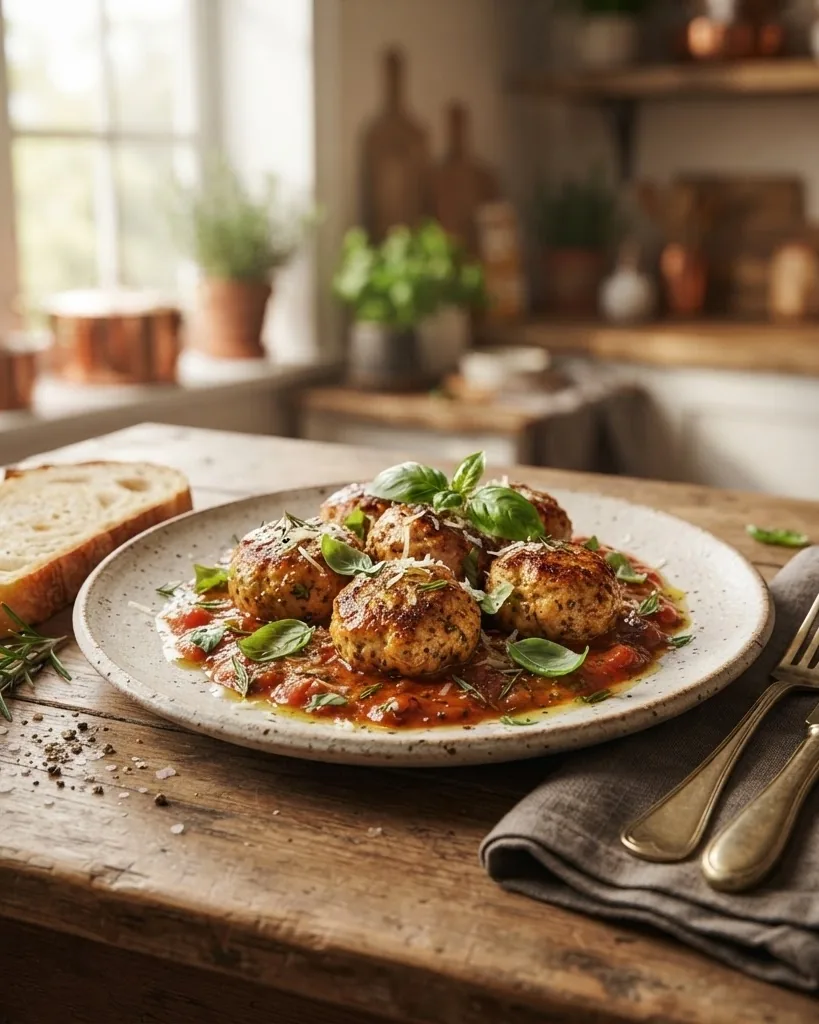
What’s a good recipe for ground chicken if you have never cooked it before? Start with a dish that hides small mistakes. Meatballs, lettuce wraps, and skillet bowls all forgive a slightly uneven cook because the sauce or the wrap covers the gaps. Season the raw meat, cook to the safe minimum internal temperature of 165 degrees Fahrenheit (74 degrees Celsius) verified with a thermometer, and you have dinner. These five are the ones to learn before anything fancier, because each teaches a technique you reuse across every other chicken ground meat recipe you try later. Master these five and pasta sauces, casseroles, and soups all become easy extensions of the same base technique.
The starter five, ranked by how hard they are to ruin:
- Skillet taco meat: brown, add chili and cumin, done in one pan.
- Baked meatballs: egg and breadcrumb binder means they stay tender.
- Asian lettuce wraps: garlic, ginger, and soy sauce carry the flavor.
- Chicken burgers: chill the patties first so they hold together.
- Rice bowls: the sauce and rice keep everything moist on reheat.
If you want a full-flavored idea to model your seasoning on, the sweet-heat balance in this Firecracker Chicken: Sweet & Spicy! translates cleanly to a ground chicken skillet. Swap the diced meat for mince and cut the cook time.
Meatballs, tacos, burgers and bowls: the recipe playbook by shape
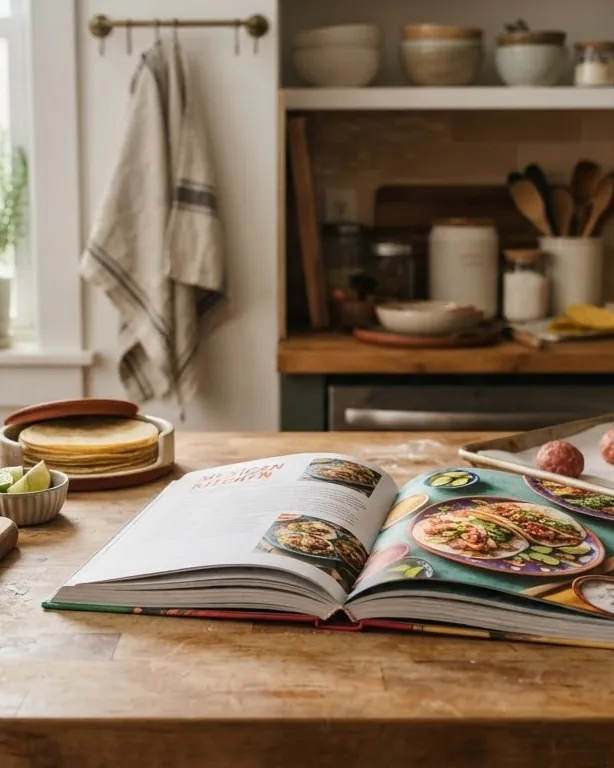
The best recipes using ground chicken sort themselves by shape, and each shape wants a slightly different mix. Meatballs and burgers need a binder or they crumble. Loose skillet meat for tacos and bowls needs high heat and a hard sear. Wraps want a saucy, spoonable texture. Match the mix to the format and the same pound of meat gives you a week of different dinners without tasting like the same meal on repeat. This is where ground chicken earns its place: one cheap ingredient, a dozen finished plates.
Meatballs and burgers (bound formats)
Add one egg and a handful of breadcrumbs per pound, plus grated onion for moisture, roughly a quarter cup of each for a pound of meat. Chill the shaped meatballs or patties for fifteen minutes before they hit heat so they keep their shape instead of spreading thin. Bake meatballs on a tray at a moderate oven temperature until firm, or sear burgers in a hot skillet a few minutes per side, and confirm 165 degrees Fahrenheit (74 degrees Celsius) at the center with a thermometer before serving, since color alone is not a reliable test for ground poultry.
Tacos, bowls and wraps (loose formats)
Skip the binder entirely for loose formats. Get the pan screaming hot, add the meat, and resist stirring for a full minute so a crust forms before you break it apart. Season loose meat harder than you think you need to, because the wrap, rice, or lettuce underneath dilutes the flavor once everything is stacked together. Chili, cumin, and lime turn it into taco filling; garlic, ginger, and soy sauce turn the same meat into a rice bowl or a lettuce wrap filling in under ten minutes total cook time.
Ground chicken soups, stews, casseroles and pasta: the comfort-food lineup
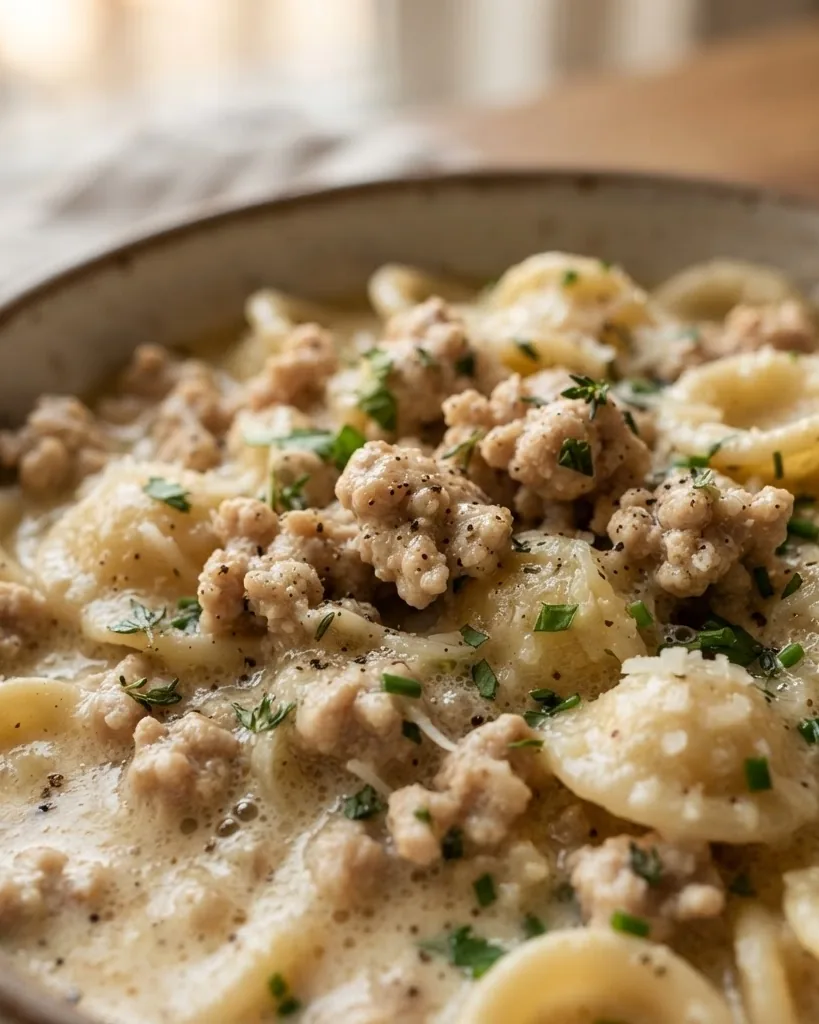
Soups, stews, casseroles, and pasta sauces solve the dryness problem almost automatically, because the meat spends its cooking time surrounded by liquid instead of exposed to direct high heat. Brown the ground chicken first for flavor, then let it simmer in broth, tomato sauce, or a casserole dish where the surrounding moisture protects it. This makes these formats some of the most forgiving chicken ground meat recipes for anyone still learning to judge doneness by feel rather than only by thermometer.
A few reliable directions to build from:
- Soups and stews: brown the meat, add broth, vegetables, and a starch like rice or noodles, and simmer until everything is tender.
- Casseroles: brown and season the meat, layer it with pasta or rice, sauce, and cheese, then bake covered so the top does not dry out before the center is heated through.
- Pasta sauces: use ground chicken in place of beef in a tomato, basil, and oregano sauce for a lighter bolognese-style dinner.
- Stir-fries: high heat, a hot wok or wide skillet, and a garlic-ginger-soy sauce base turn browned meat and vegetables into dinner in one pan.
Mediterranean-style ground chicken also fits neatly into a casserole format: season the meat with yogurt, herbs, and warm spices, shape it into a kofta-style filling, and bake it inside a dish with vegetables so the same moisture-trapping logic applies.
Ground chicken vs ground turkey vs ground beef: fat, flavor and swaps
Ground chicken sits between turkey and beef in flavor and below both in fat when you buy breast-based mince. That leanness is why it dries out and why it works for lighter cooking. Ground chicken breast is the leanest option; a dark-meat blend carries more fat and more flavor and forgives overcooking better. When you swap ground chicken into a beef recipe, add fat or moisture back, because beef brought its own and chicken did not. The seasoning that made the beef version taste like something has to work harder here.
How the three compare in practice:
- Ground beef: fattiest, most forgiving, strongest flavor, browns hardest, and needs the least help from added seasoning or fat.
- Ground turkey: middle ground, mild, a common lean swap for beef, and moderately forgiving if slightly overcooked.
- Ground chicken: mildest and often leanest with breast blends, most flavor-hungry, and the least forgiving of the three if you walk away from the pan.
Here is what that swap looks like in practice. A recipe built for one pound of standard ground beef usually relies on the meat’s own fat to keep a sauce or a patty moist. Replace that pound with ground chicken and add back roughly a tablespoon of olive oil or a splash of broth, along with about a quarter more of whatever seasoning blend the recipe calls for. That small adjustment closes most of the gap between the two proteins and keeps the finished dish from tasting thin.
Protein is the reason all three earn a spot in a rotation. Protein provides 4 calories per gram, a figure published in the USDA Dietary Reference Intake resources, and the Dietary Guidelines for Americans recommend adults eat a variety of protein foods including poultry, seafood, meats, eggs, beans, peas, lentils, nuts, seeds, and soy products. Rotating chicken in keeps that variety cheap.
For exact nutrient numbers on any blend you buy, the USDA FoodData Central database lists calories, protein, fat, and carbohydrate values per food. You can look up ground chicken directly at USDA FoodData Central before you plan a high-protein week.
Chicken ground meat recipes for meal prep, high protein and busy weeknights
Chicken ground meat recipes shine for meal prep because a big batch cooks in one pan and reheats without drying if you built in moisture up front. Cook a double batch of seasoned loose meat, split it into a taco version and a bowl version, and you have four dinners from twenty minutes of active work. The catch is storage timing. The Food Safety and Inspection Service says cooked food must be refrigerated within 2 hours, or within 1 hour if the kitchen is above 90 degrees Fahrenheit (32 degrees Celsius), so portion it out fast while it is still warm rather than leaving the pan on the stove.
A batch-cook plan that actually holds up:
- Cook one large pan of neutral seasoned meat (salt, garlic, a little oil).
- Split it hot into containers before flavoring, so each takes a different direction.
- Sauce one portion Asian-style, one taco-style, freeze the rest.
- Chill everything within the 2-hour window at 40 degrees Fahrenheit (4 degrees Celsius) or below.
In practice that twenty minutes breaks down roughly like this: five minutes to heat the pan and brown two pounds of meat, five minutes to season and split it into separate bowls, five more minutes to sauce each portion differently, and the last five to portion everything into containers while it is still hot enough to count toward that 2-hour refrigeration window. Working in that order means the meat is already cooling safely in the fridge before the rest of the kitchen is even cleaned up.
For high-protein bowls, pair the meat with rice, beans, and vegetables the same way a one-pan dinner does. The build in this Greek Chicken & Orzo – Easy One-Pan Meal maps neatly onto ground chicken: brown the mince, add orzo and broth, and let it cook down into a single-skillet meal you can portion for the week. It is one of the fastest recipes using ground chicken for people who hate washing dishes.
Storage, freezing and the 165 degree rule that keeps you out of trouble
Safe handling is the part beginners skip and regret. Ground poultry has more surface area than a whole cut, so it needs to hit 165 degrees Fahrenheit (74 degrees Celsius) all the way through, the safe minimum internal temperature the Food Safety and Inspection Service sets for all ground chicken and turkey. A thermometer, not color, is the only honest test. Once cooked, refrigerate within 2 hours and use leftovers within 3 to 4 days when the fridge holds 40 degrees Fahrenheit (4 degrees Celsius) or below. Those windows are not suggestions; they are the line between a free second dinner and food poisoning.
The rules that matter most, in order:
- Cook to 165 degrees Fahrenheit (74 degrees Celsius), checked with a thermometer.
- Refrigerate cooked meat within 2 hours (1 hour above 90 degrees Fahrenheit).
- Eat refrigerated leftovers within 3 to 4 days.
- Keep the fridge at 40 degrees Fahrenheit (4 degrees Celsius) or below.
Freezing and reheating ground chicken dishes
Freeze cooked ground chicken flat in a sealed bag rather than in a tall container, since a thin, flat shape freezes faster and thaws faster too. Label the bag with the date so nothing gets lost behind the ice cream for six months. Thaw frozen portions in the refrigerator overnight rather than on the counter, since the counter method lets the outside sit in the temperature danger zone longer than it should. When reheating, bring the dish back up to 165 degrees Fahrenheit (74 degrees Celsius) throughout, the same target used for the first cook, before eating.
Freezing is where meal prep pays off. Cooked, saucy dishes freeze better than plain browned meat because the sauce protects against freezer burn. Cool fully before freezing so you do not warm everything around it. You can read the exact leftover timelines on the FSIS leftovers guidance, and the poultry temperature chart on the FSIS safe temperature chart.
Seasoning ground chicken: pairings that turn mild meat into a meal
Seasoning is the whole game with ground chicken because the meat itself brings almost nothing. Think of it as a blank canvas that needs a committed flavor direction, not a timid sprinkle. Four pairing families cover nearly every dinner you would want to make, and each one pushes the same pound of meat toward a different cuisine. Lean into one, salt generously, and taste as you go. The Food and Drug Administration publishes nutrition and labeling resources if you want to check sodium as you build these blends.
The four pairing families that never miss:
- Asian: garlic, ginger, soy sauce for wraps, bowls, and stir-fries, finished with a splash of rice vinegar or sesame oil.
- Italian: tomato, basil, oregano for meatballs and pasta sauce, plus a little parmesan stirred into the mix for meatballs.
- Tex-Mex: chili, cumin, and lime for tacos and skillet meat, with fresh cilantro and diced onion on top.
- Mediterranean: yogurt, herbs, and warm spices like cumin and paprika for tender kofta-style patties or a baked casserole.
Yogurt does double duty in that last group. It seasons and it adds moisture, so Mediterranean-style ground chicken stays tender even when you push it slightly. For a glaze-forward direction on your loose skillet meat, borrow the sauce logic from this Juiciest Teriyaki Chicken! and reduce it against the browned mince. Anyone checking general protein and healthy-eating guidance can also see the resources from the Academy of Nutrition and Dietetics for evidence-based advice on building balanced plates.
How to choose a ground chicken recipe: by time, budget and diet
With this many directions available, picking a recipe for tonight comes down to filtering by what actually matters to you right now: time, money, macros, or who is sitting at the table. Sorting the same base ideas by these filters turns a long list of options into a five-second decision.
- Under 30 minutes: loose skillet tacos, stir-fries, and rice bowls, since none of them require shaping or a long simmer.
- Budget-friendly: soups and casseroles that stretch one pound of meat across rice, beans, or pasta to feed more people.
- High protein: rice-and-vegetable bowls with a larger portion of plain browned meat and minimal added fat or sauce.
- Kid-friendly: meatballs and burgers, since the familiar shape and mild flavor travel well even with picky eaters.
- Low calorie: lettuce wraps and broth-based soups, which skip the bun, the rice, and the heavier sauces.
- Freezer-friendly: casseroles, soups, and sauced skillet meat, all of which hold their texture through freezing and reheating better than a dry-seared burger does.
Frequently asked questions about ground chicken recipes
What can I make with ground chicken tonight?
Tacos, meatballs, burgers, lettuce wraps, rice bowls, stir-fries, soups, and skillet dinners all work with a single pound. Loose formats like tacos and bowls are fastest because they skip shaping. Season hard, cook to 165 degrees Fahrenheit, and pick the format that matches whatever starch or wrap you already have in the kitchen.
Why does my ground chicken always turn out dry?
You are almost certainly overcooking it. Ground chicken is lean and loses water fast, so it goes from done to dry in minutes. Pull it the moment a thermometer reads 165 degrees Fahrenheit (74 degrees Celsius), and add moisture up front with grated onion, a splash of oil, or a spoon of yogurt in the raw mix.
Can I swap ground chicken for ground beef in any recipe?
Usually yes, but add fat or liquid back. Beef brings its own fat that keeps the dish moist and adds flavor, while lean ground chicken does not. Stir in a little oil, broth, or a binder, and season more aggressively. Cook chicken to 165 degrees Fahrenheit rather than the lower temperatures some beef recipes allow.
How long do cooked ground chicken leftovers last?
Cooked leftovers keep 3 to 4 days in the refrigerator when it holds 40 degrees Fahrenheit (4 degrees Celsius) or below, according to Food Safety and Inspection Service guidance. Refrigerate within 2 hours of cooking, or within 1 hour if the room is above 90 degrees Fahrenheit. Freeze saucy dishes for longer storage; they hold texture better than plain browned meat.
Is ground chicken breast better than a dark-meat blend?
It depends on your goal. Ground chicken breast is leaner and higher in protein per bite, which suits meal prep and lighter meals. A dark-meat blend carries more fat, more flavor, and forgives overcooking, which makes it easier for beginners. Both need to reach 165 degrees Fahrenheit before serving, so pick by flavor and diet, not safety.
What is a good high-protein ground chicken meal for meal prep?
A rice-and-vegetable bowl with seasoned browned chicken reheats well and packs serious protein, which provides 4 calories per gram. Cook a big batch, portion it hot into containers within 2 hours, and sauce each container differently. Look up exact protein per serving for your brand on USDA FoodData Central to hit weekly targets accurately.
Is chicken mince the same as ground chicken?
Yes. Chicken mince and ground chicken are two names for the same ingredient, one more common in Australian and British recipe writing and the other more common in American recipe writing. If a recipe calls for chicken mince, you can use ground chicken with no changes to method, seasoning, or cook time. The only thing to check is whether the recipe specifies a breast-only mince or a blend that includes dark meat, since that affects fat content and forgiveness for overcooking.
What is a good low-carb ground chicken recipe?
Lettuce wraps are the easiest low-carb option, since they swap the tortilla or bun for a crisp lettuce leaf and lean on garlic, ginger, and soy sauce for flavor instead of a heavy sauce. A broth-based soup with vegetables and no noodles works the same way. Both formats keep the focus on the seasoned meat itself rather than a starchy wrapper, and both still need to hit 165 degrees Fahrenheit (74 degrees Celsius) before serving like every other ground chicken dish.
[req:6157926]